What is hyaluronic acid?
Hyaluronic acid is a clear, gel-like substance that occurs naturally in the human body. It is best known for its role in the skin, but it is also found in connective tissue and the joints. Its main job is to bind water, which keeps tissues hydrated and lubricated. That matters, because moist, well-lubricated tissue is essential for overall health.
The chemical structure
Chemically, hyaluronic acid is a polysaccharide, a type of complex sugar built from repeating units of glucuronic acid and N-acetylglucosamine. This structure lets it hold on to remarkable amounts of water: a single gram can bind up to six litres.
Where is hyaluronic acid used?
Often shortened to hyaluron, hyaluronic acid is far more than another ingredient in your face cream. It is used in many different areas.
Orthopaedics: support for your joints
In orthopaedics, hyaluronic acid is injected directly into joints to restore natural lubrication and relieve pain.
Ophthalmology: comfort for dry eyes
Dry eyes can be really unpleasant. Eye drops containing hyaluronic acid moisturise and protect the sensitive surface of the eye.
Wound healing
For minor cuts, burns or post-operative wounds, hyaluronic acid can support the healing process. It comes as gels and patches, and can help skin heal faster with less scarring.
Skin, hair and make-up
Hyaluronic acid plays a growing role in everyday care products, from skin care to hair care to oral hygiene, especially for people with dry skin. Moisturisers, serums, lotions and products for the hands and feet use it to nourish and hydrate the skin and to slow the visible signs of ageing. Shampoos, conditioners and hair masks use it too, from cleansing the scalp to repairing split ends.
More and more make-up products also add nourishing ingredients such as hyaluronic acid, so they improve how you look and care for the skin underneath. In make-up for dry skin it can make a real difference: it helps hydrate the skin and keeps foundation looking fresh all day, without settling into fine lines or dry patches.
Veterinary medicine: your pet benefits too
Hyaluronic acid is not only used for people. Vets often use it to treat joint disease in dogs and horses, helping them stay active and comfortable.
This versatility is where hyaluronic acid shows its real strength: it is a valuable partner for your overall well-being, not just your skin.


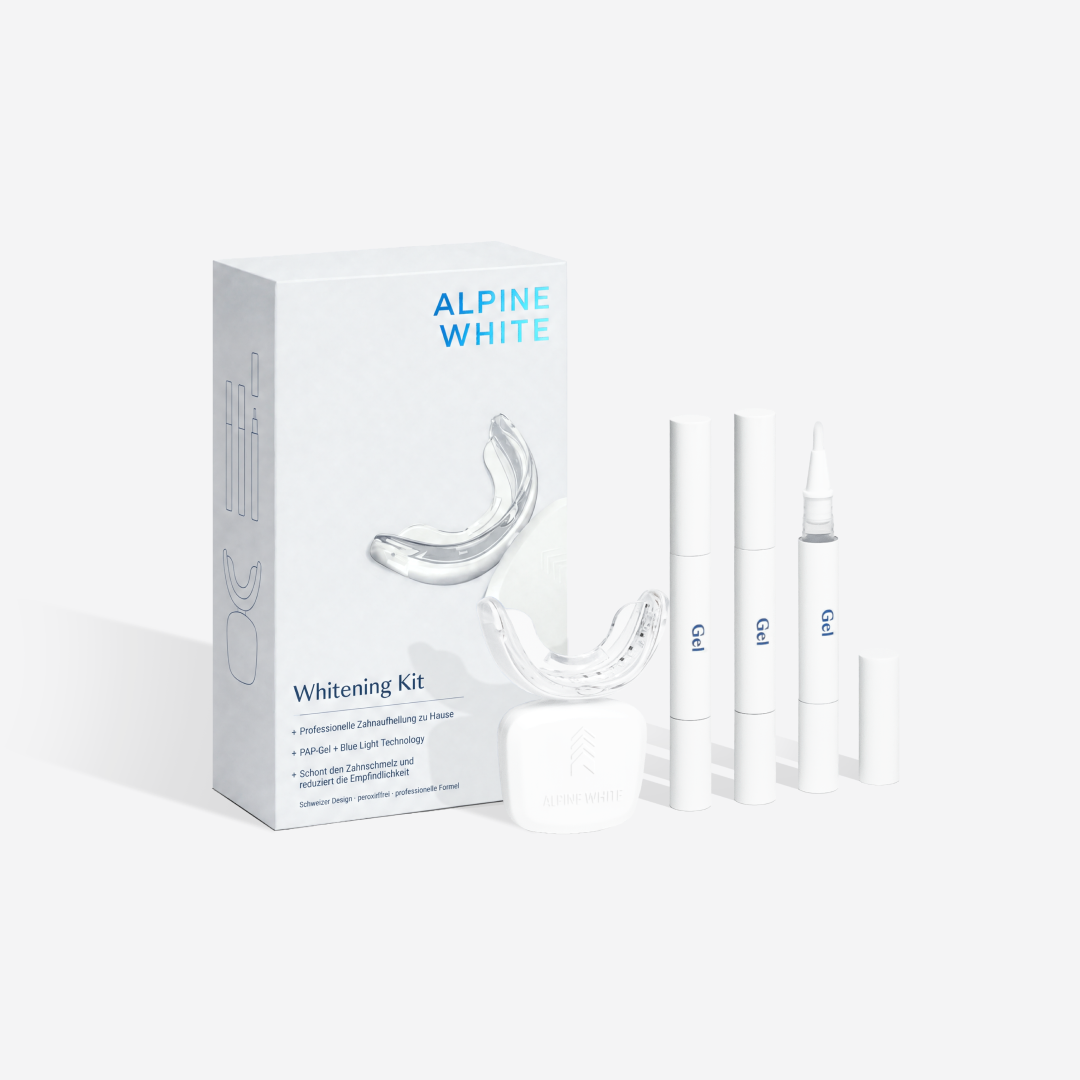
 Teeth Whitening