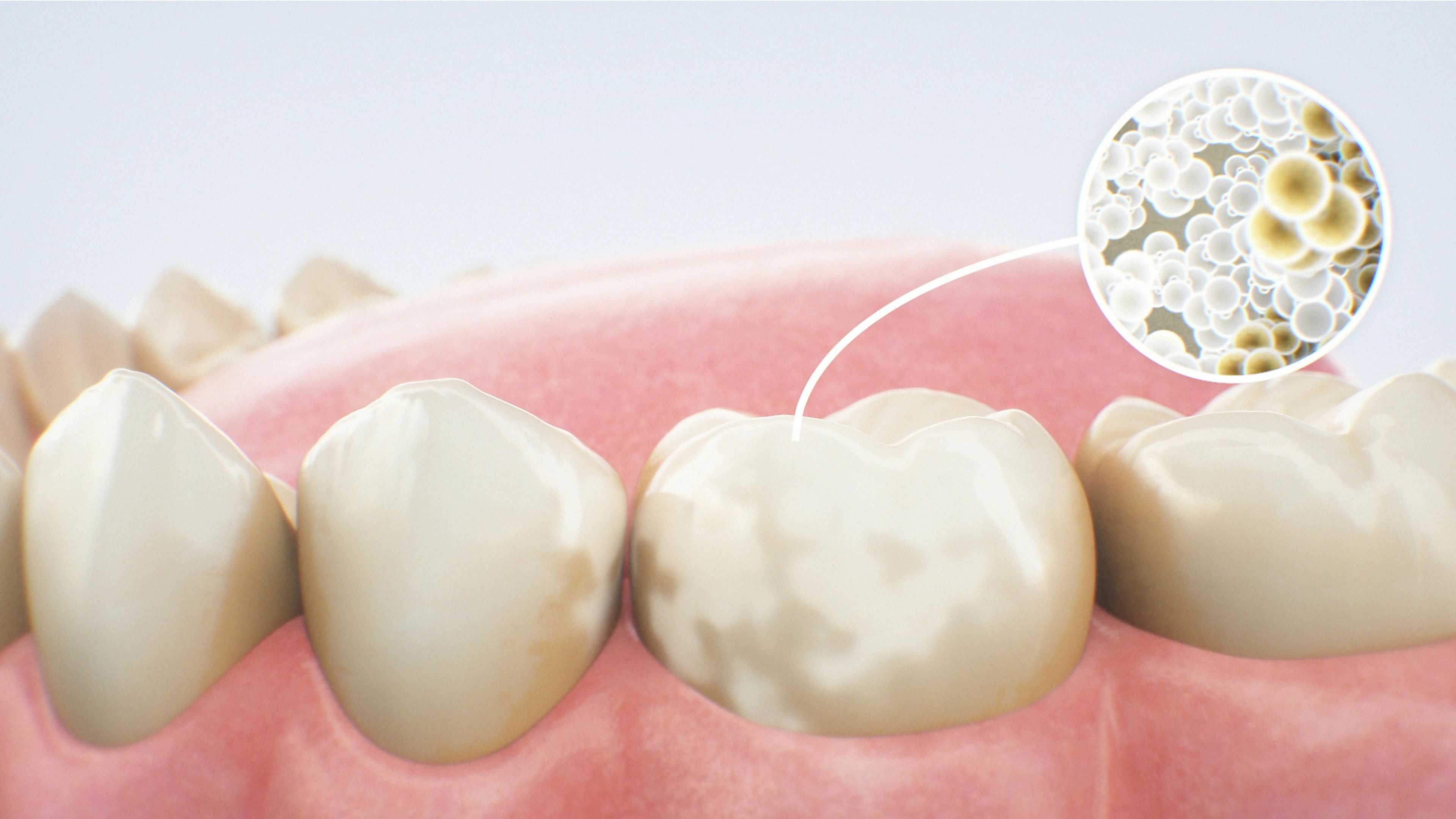
Sensitive teeth after whitening: what can you do?
In the first few days after whitening, your teeth may react temporarily to hot or cold food and drinks. This is normal and should fade within a few days. If the sensitivity lasts longer, try a desensitising toothpaste made for sensitive teeth. Gentle daily care also helps to calm your teeth. If the pain persists, talk to your dentist.
Alpine White whitening is peroxide-free and particularly gentle on your teeth, so you should not expect sensitivity. That way your smile stays white, healthy and comfortable.
How can you avoid tooth discolouration in the long term?
To keep the result for as long as possible, cut down on staining foods and drinks. Coffee, tea, red wine and tobacco are common causes of yellowish or brownish stains. Keep up good oral hygiene and book regular professional cleanings with your dental hygienist to reduce the risk of new discolouration significantly.
Teeth whitening and dental work: what should you know?
If you have fillings, veneers or crowns, keep in mind that these materials do not respond to bleaching the way your natural teeth do. The gel lightens your natural tooth tissue, especially the dentine, but it does not change existing dental work. If a colour difference appears between your natural teeth and the restorations after whitening, the restorations may need to be adjusted to give an even result.
This is best decided after professional advice from your dentist or dental hygienist. Professional guidance helps protect your tooth substance and avoid toothache, and good oral hygiene, such as regular brushing, helps your teeth keep their colour for longer.
Final thoughts
Preparing for teeth whitening takes good daily care and a thorough clean. With the right steps before, during and after the treatment, your teeth can stay white and healthy for a long time. Whether you choose professional bleaching or whitening at home, the right preparation gives you a brighter smile and healthier teeth.

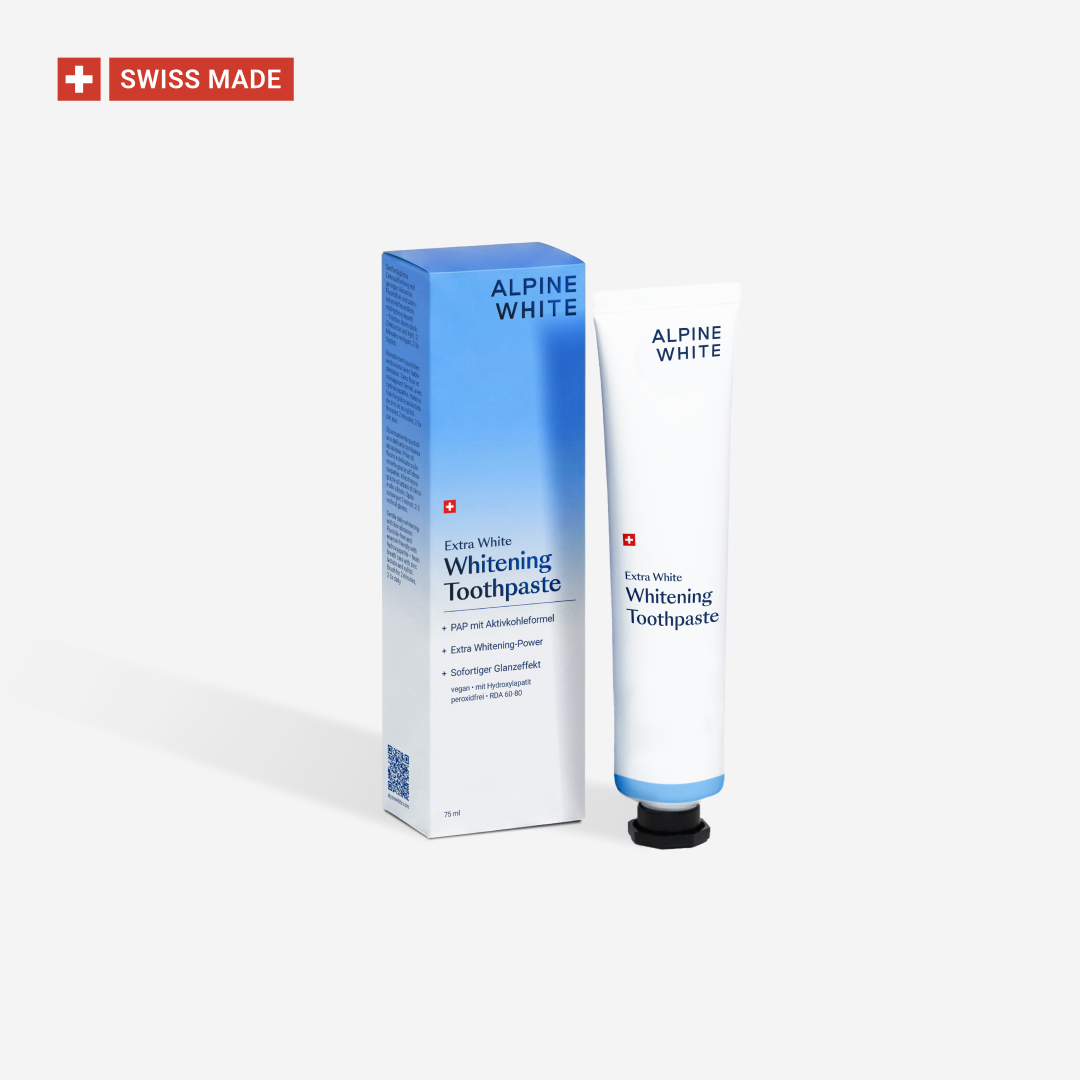
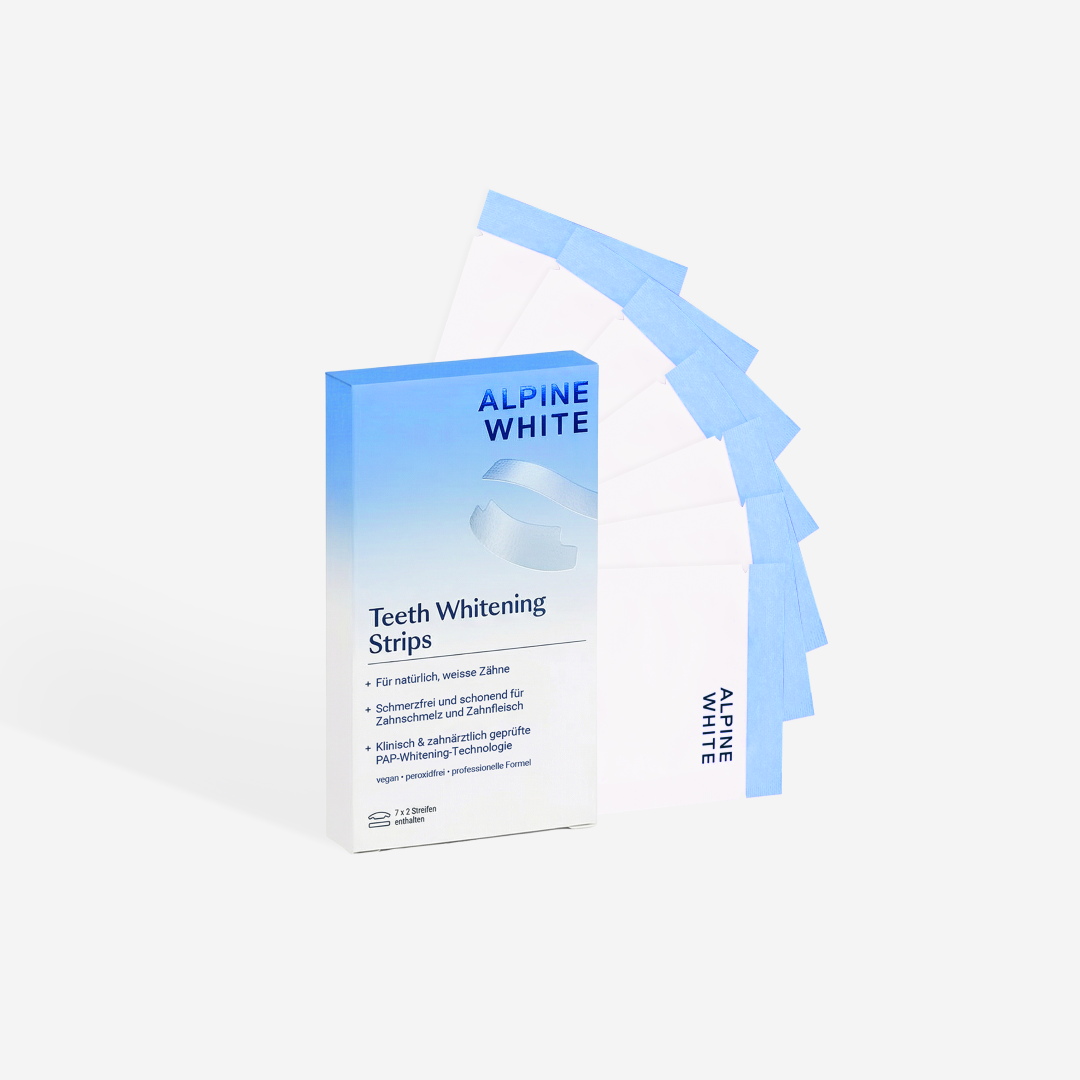
 Teeth Whitening