Back to overview
Laughing man with glasses in front of a yellow-orange wall

Gentle teeth whitening without peroxide

Teeth WhiteningSep 13, 20246 min read

More and more people want whiter teeth, and it is easy to see why: a brighter smile boosts confidence. But many whitening products rely on hydrogen peroxide, which can irritate your gums and leave teeth sensitive. The good news is that there are gentler options. In this guide you will learn how teeth whitening without peroxide works, how to protect your enamel and gums, and how to whiten your teeth at home with Alpine White.


Andrea Seraina

Andrea Seraina

Dental Content Specialist

Why choose teeth whitening without peroxide?

Peroxides, especially hydrogen peroxide, are found in many teeth whitening products. They bleach effectively, but if used incorrectly they can harm your gums and enamel. Possible side effects include gum irritation, tooth sensitivity and even a temporary reduction in enamel hardness. No wonder many people now look for peroxide-free alternatives that are gentle and low-risk.

What is gentle teeth whitening?

Gentle teeth whitening uses ingredients and technologies that tackle stains without harsh chemicals. Enamel-friendly toothpastes, whitening kits and peroxide-free whitening gels are designed to improve your natural tooth colour while supporting your dental health.

Professional whitening: what your dentist can do

A dentist or dental hygienist can check your teeth, remove tartar and surface stains, and advise which whitening method suits you best. Alpine White products are the ideal at-home support: they help you keep your results, care for your enamel and whiten gently between appointments.

Benefits of peroxide-free teeth whitening

It protects your enamel

Enamel is the hardest, most protective layer of your teeth, yet it is vulnerable to acids and abrasive materials found in many conventional bleaching agents. Alpine White products are developed to be gentle on enamel. Their peroxide-free formulas whiten your teeth without the risk of abrasion or erosion. That helps your enamel keep doing its job of protecting teeth from tooth decay and other damage.

It is kinder to your gums

Gum irritation is a common side effect of conventional whitening with hydrogen peroxide or carbamide peroxide. If these chemicals reach your gums, they can cause irritation and even inflammation. Alpine White whitening products are free from these harsh substances, which significantly lowers the risk of irritation and helps keep your oral health in good shape.

It supports long-term dental health

Good whitening is about more than instant results. Avoiding harsh chemicals that may weaken enamel and reduce your teeth's resistance to bacteria helps keep teeth healthy. Over time, that means less susceptibility to tooth discolouration, decay and other dental problems.

These advantages make peroxide-free whitening a sensible choice for anyone who values health, safety and a bright smile. It gives you visible results and supports lasting oral health, so your smile stays fresh for longer.

Which teeth whitening methods are there?

There are many ways to whiten teeth, and they differ in effectiveness, cost and application. Professional teeth bleaching at the dentist usually uses hydrogen peroxide to lighten colour pigments in the tooth surface. It is sometimes combined with a special lamp that activates the bleaching process, known as power bleaching. For home use, there are toothpastes and whitening strips with a lower concentration of bleaching agents, which tend to affect tooth sensitivity less. Toothpastes and home remedies such as baking soda or activated charcoal can also freshen up the whiteness of your teeth and clean new stains from the surface.

Veneers are an alternative to whitening. These thin shells are bonded to the front of the teeth and can change both colour and shape. They suit teeth that do not respond to whitening, or that are discoloured by fillings and dental restorations. With so many options, you can choose the method that fits your needs and lifestyle.

How can you whiten teeth at home without peroxide?

If you prefer to whiten your teeth at home, Alpine White offers a range of products for whitening teeth at home. They are designed for gentle, effective whitening and fit easily into your daily oral hygiene routine, without harsh bleaching agents such as carbamide peroxide.

Whitening toothpaste

A whitening toothpaste is an excellent choice for daily use. Alpine White Whitening Toothpaste Extra White is free from peroxides and other aggressive bleaching agents, so it gently removes surface stains and helps maintain the natural whiteness of your teeth while caring for your enamel.

Charcoal powder

Activated charcoal is known for binding pigments and impurities on the tooth surface. Used with care, it can help reduce plaque and improve your oral hygiene, as a natural, chemical-free way to support a whiter smile.

Whitening strips and Whitening Kit

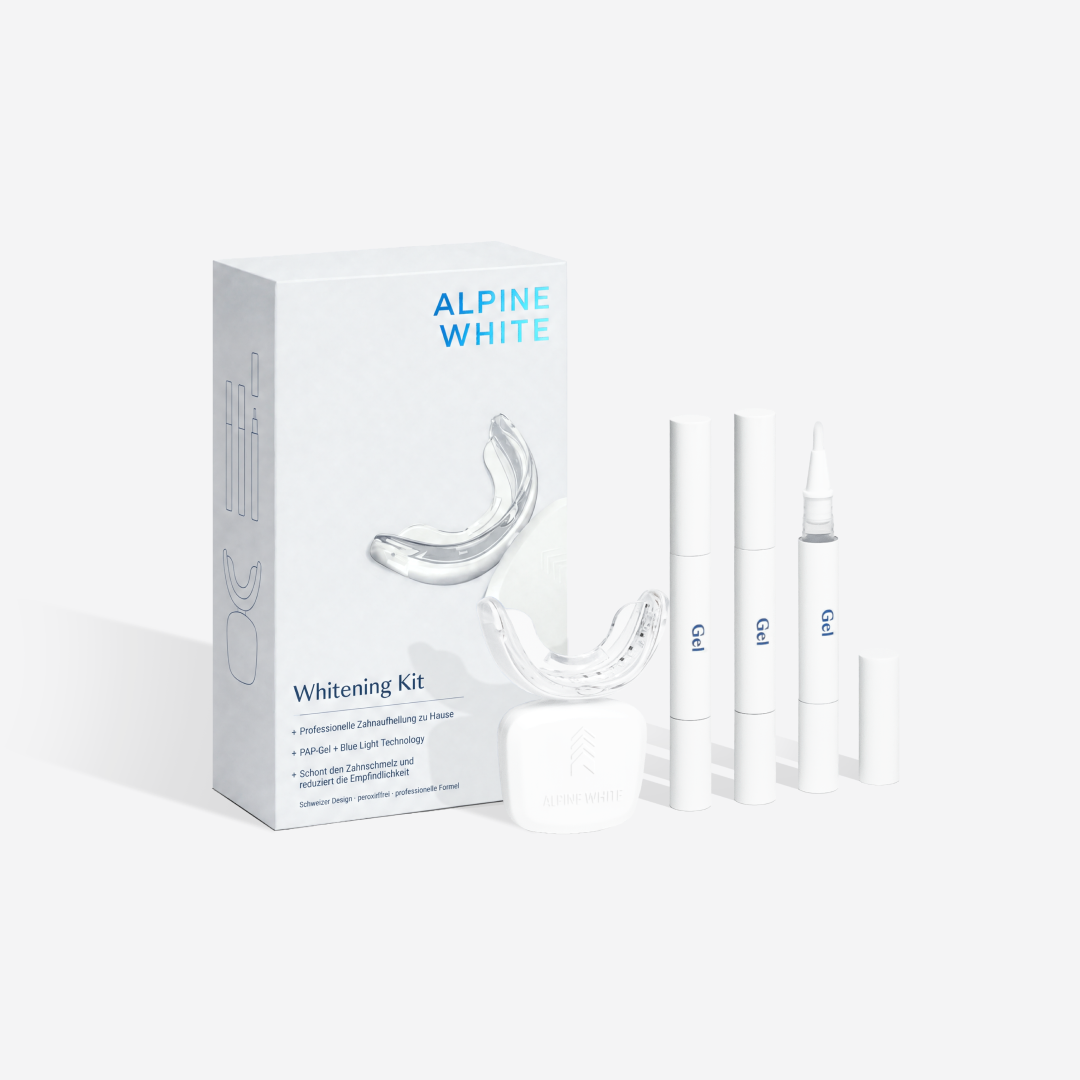
Discover the gentle power of our whitening strips and Whitening Kit for effective, peroxide-free teeth whitening. Both are dentist-tested and clinically tested, suit any tooth position and protect your teeth thanks to their peroxide-free formula.

With the whitening strips, you can see whiter teeth in just three days. Using them takes only 15 minutes a day, so you can whiten gently at home. For a more intensive treatment, the Whitening Kit is designed for seven days of use. Both give you a quick, safe way to refresh your smile.

Pack of ALPINE WHITE Whitening Kit with tray, charging case and three gel pens
4.6(82)

Whitening Kit

€ 79.90

1 pc • € 79.90

Learn more

Top tips for whitening your teeth at home

Keep up a regular oral care routine

Consistent oral hygiene is the foundation of healthy teeth and a bright smile. Brushing at least twice a day removes food particles and plaque. A dentist-recommended mouthwash complements brushing by reaching awkward areas and offering antiseptic benefits that lower the risk of gum disease.

This routine helps to fight plaque and prevent tooth decay, and it supports whitening by limiting stains from coffee or tea. Using dental floss or interdental brushes cleans between the teeth, where plaque often builds up and can lead to discolouration and gum problems.

Book a professional teeth clean

Regular professional teeth cleaning with a dentist or dental hygienist is key to keeping your oral health at its best. A scale and polish removes tartar and stubborn deposits that careful brushing cannot fully remove. Your dental professional uses specialised instruments to reach places a toothbrush cannot, and polishing pastes and ultrasonic devices to smooth and brighten the tooth surface.

A regular professional clean helps preserve the natural whiteness of your teeth, prevents gum disease and can catch early problems such as tooth decay or early gum inflammation.

Watch what you eat and drink

A tooth-friendly diet plays a big part in keeping teeth bright and healthy. Some foods and drinks, such as coffee, red wine, black tea and strongly pigmented foods like berries or soy sauce, can stain your teeth. Eating and drinking less of them, and rinsing your mouth with water afterwards, helps reduce stains.

A diet rich in calcium and vitamins also supports dental health. Calcium-rich foods such as milk, cheese and green leafy vegetables strengthen enamel, while vitamin C from fruit like oranges and kiwis keeps gums healthy.

By combining regular oral care, professional cleaning and a tooth-friendly diet, you can look after your teeth and keep your smile bright and healthy in the long term.

Conclusion

Teeth whitening without peroxide is a safe and effective way to brighten your smile without putting your dental health at risk. Alpine White whitening strips, the Whitening Kit and Whitening Toothpaste Extra White make gentle whitening easy to fit into your routine. Try a gentler approach and enjoy a bright smile that is as good for your teeth as it looks.

This might also interest you

Smiling woman with long blonde hair against a beige backgroundTeeth Whitening

Sensitive teeth after whitening? Gentle aftercare tips

A bright smile turns heads, which is why teeth whitening is more popular than ever. But many people worry about pain or sensitive teeth after whitening, especially if their teeth already react to hot and cold. The good news: you do not have to give up on whiter teeth. A gentle, peroxide-free approach and the right aftercare make a real difference.

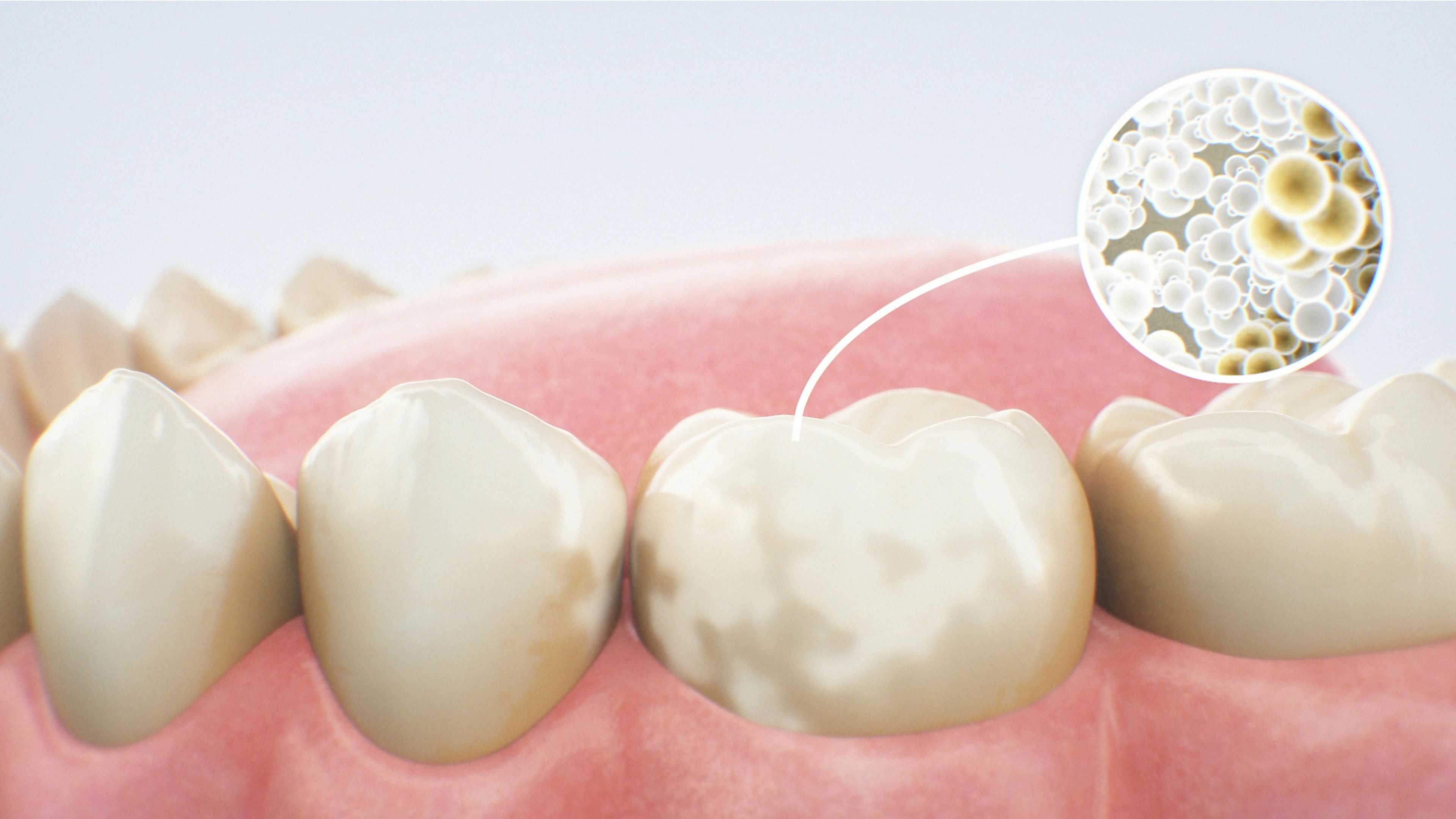
Graphic: tooth with light spots, magnification shows yellowish particles on the surfaceTeeth Whitening

How teeth whitening works

A bright smile is often seen as a sign of health and confidence, yet many people live with yellow or stained teeth. This guide explains how teeth whitening works, which whitening methods exist, how safe they are for your enamel and how you can whiten teeth gently at home with Alpine White.