Back to overview
Laughing woman with ponytail in denim jacket in a city street

Is professional teeth cleaning always worth it?

Dental HygieneAug 15, 20244 min read

Your dentist has probably recommended professional teeth cleaning at some point. But is a scale and polish really worth it every time? Here is what it involves, what it does for your teeth and gums, and how to keep them clean between appointments.


Andrea Seraina

Andrea Seraina

Dental Content Specialist

What is professional teeth cleaning?

A professional teeth cleaning, often called a scale and polish, is carried out by a dentist or dental hygienist. It offers far more thorough care than daily tooth brushing and flossing can manage alone. The aim is to support your dental health as part of preventive oral care. It removes plaque and tartar and cleans the gum pockets, which helps to prevent periodontitis.

Cleaning the places your toothbrush cannot reach

Even with a good sonic toothbrush and whitening toothpaste, residue often stays behind between the teeth and along the gum line. Over time it can lead to tartar, gingivitis and eventually periodontitis. Dentists and dental hygienists use fine hand instruments and ultrasonic devices to clean these hard-to-reach spots thoroughly. They remove soft deposits and tartar from the tooth surfaces and the necks of the teeth.

Polishing and fluoride

Once the plaque and tartar are gone, the teeth are polished. This smooths the surfaces and makes it harder for new deposits to stick, so your teeth feel smooth and stay cleaner for longer. A fluoride gel or varnish is often applied afterwards to strengthen the enamel and help protect against cavities.

Does professional teeth cleaning remove stains?

Yes, surface stains are one of the most common reasons people book a cleaning. They usually come from coffee, tea or tobacco. A professional cleaning can remove them effectively, which often gives an immediately brighter look. If you want to go lighter still, your dentist can advise on professional bleaching. At home, Alpine White whitening strips are a simple way to keep your results looking fresh.

What happens at a dental hygiene appointment?

A good dental hygiene appointment is gentle, thorough and tailored to you. It should leave you with clean teeth and a clear idea of how to look after them at home. These are the main parts of the visit.

Gentle and thorough

Many practices use modern technology such as Airflow, which cleans particularly gently and thoroughly to remove deposits and polish your teeth. This lays the foundation for long-term oral health and helps prevent gum disease and cavities.

Checking for cavities

During the visit, your dentist or hygienist can look for early signs of tooth decay. This is done through a clinical examination, sometimes supported by technology such as cold light, which can show even the smallest changes. If a cavity is caught at an early stage, fluoride treatment can help to stop it.

Dental hygiene or a full oral health check?

A dental hygiene session covers a thorough clean and a review of your general oral health. A full oral health check goes a step further. It examines each tooth in detail, so you can get personal care advice and problems can be spotted early, long before they become serious.

Referral to a specialist

If you need specialist treatment, such as implants, your dentist will refer you to a practice that specialises in it. A dental hygienist does not place implants.

Why is professional teeth cleaning recommended?

It helps prevent dental disease

Regular professional cleanings can help prevent cavities and periodontitis. Removing plaque and tartar, a hard deposit that forms from minerals in saliva and plaque, lowers the risk of gum inflammation and other dental problems.

It protects your natural enamel

Polishing also removes a fine film on the enamel that can attract bacteria and discolouration. This helps keep the natural shine of your teeth and protects them from further damage.

It supports your overall oral health

A clean, healthy mouth supports your teeth and gums. It can also help prevent bad breath and improve your general well-being.

How much does a dental hygienist cost?

Prices vary by country and practice. In many countries, statutory health insurance does not cover professional teeth cleaning, although private supplementary insurance often pays part of it. Ask your practice or insurer what applies to you. Regular cleanings can pay off in the long run, as they help you avoid expensive dental treatment later.

Keeping your teeth clean between appointments

A professional clean works best when your daily routine backs it up. A sonic toothbrush and a whitening toothpaste help keep plaque under control at home. If you want to lift surface stains gently, whitening strips are an easy addition to your routine.

So, is professional teeth cleaning always worth it?

For most people, yes. It is a worthwhile investment in your oral health, supports your general well-being and contributes to a confident smile. It is a preventive approach that helps avoid long-term problems and reduces the need for more invasive procedures.

Professional teeth cleaning is therefore far more than a cosmetic treatment. It is a fundamental measure for lasting dental health and should be part of your regular dental care. See your dentist if you notice pain, bleeding gums or persistent bad breath.

Final thoughts

At Alpine White, we believe in comprehensive oral care. Consider the benefits of professional teeth cleaning to keep your teeth healthy and white in the long term, because home oral hygiene alone is not enough for optimal oral health. Browse our other guides for more tips on looking after your teeth.

ALPINE WHITE Whitening Strips: pack with fanned-out pouches
4.4(128)

Whitening Strips

€ 29.90

14 pc • € 2.14

Learn more
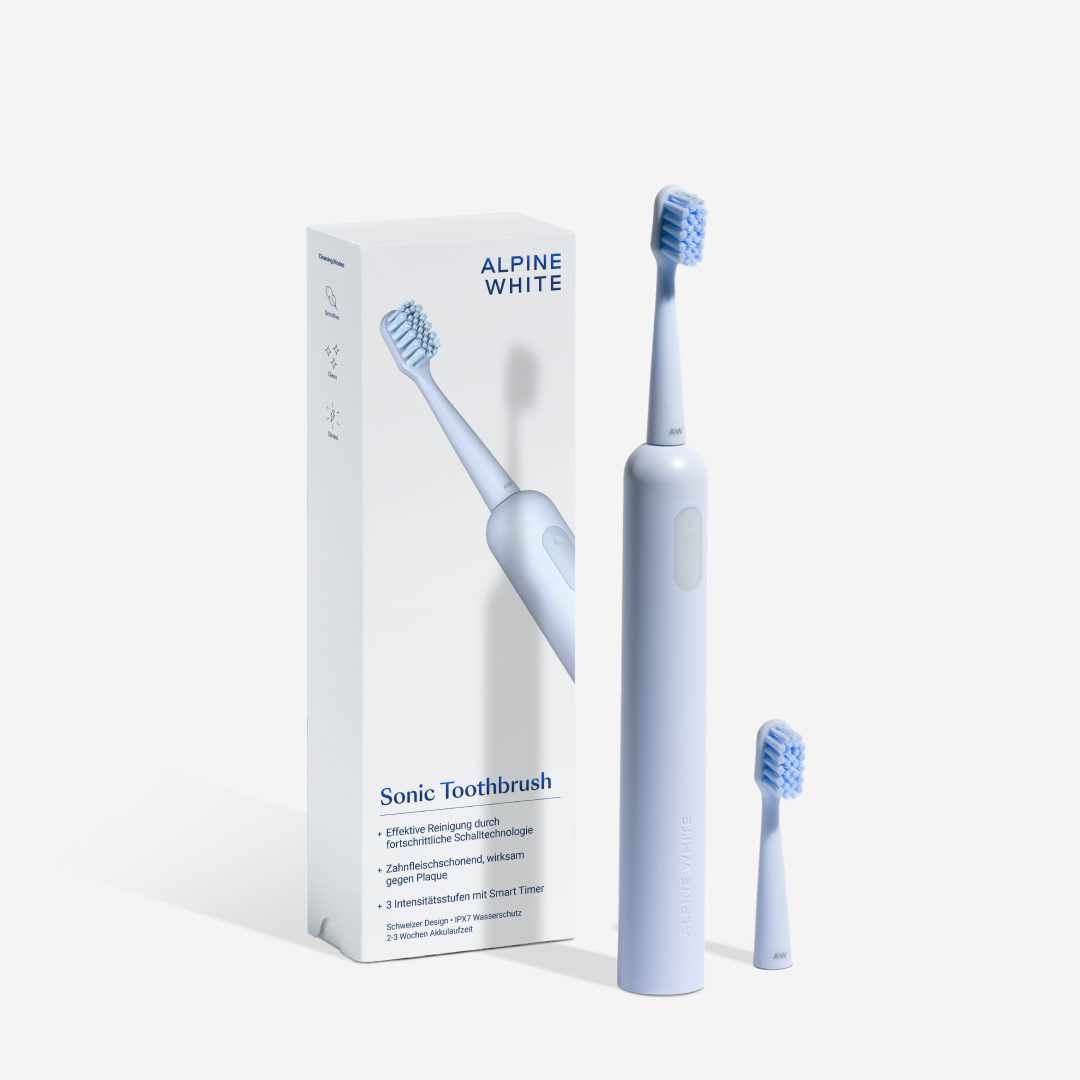
Sonic Toothbrush next to its packaging and a replacement brush head against a light background
5.0(3)

Sonic Toothbrush

€ 99.90

1 pc • € 99.90

Learn more

This might also interest you

Laughing woman places both hands on her cheeks, looking to the sideDental Hygiene

Professional teeth cleaning: a radiant smile for special occasions

Weddings, parties and big occasions are the moments you want to look your best. Alongside the right outfit, a clean, healthy smile makes a real difference. Professional teeth cleaning, often called a scale and polish, removes plaque, tartar and surface stains that brushing at home can miss. In this guide we explain what a dental hygienist does, how a cleaning appointment works, how often to book one and how to keep your smile bright between visits.

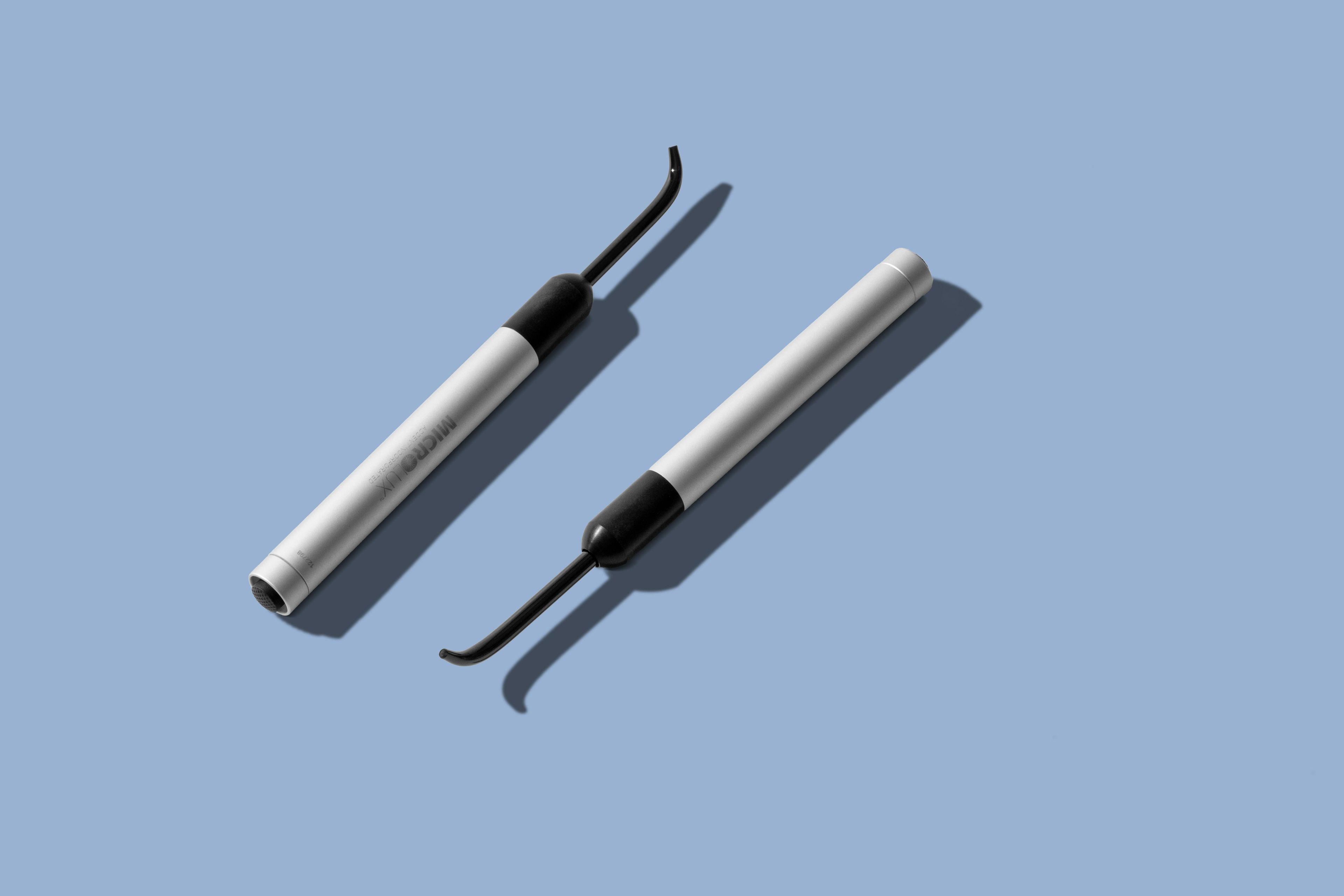
Two silver dental instruments with black tips on a blue backgroundDental Hygiene

Ultrasonic teeth cleaning at the dental hygienist: gentle and pain-free

Looking after your oral health matters, and regular professional teeth cleaning plays a big part. Plaque, tartar, stains and inflamed gums are much easier to prevent when you keep up with your oral hygiene. A visit to the dental hygienist is often the only way to remove stubborn build-up that brushing at home cannot shift. In this article we look at ultrasonic dental hygiene, a gentle and pain-free way to clean your teeth, and at how you can support the results at home.

Two smiling women against a white background, one in green top, the other in beige jacketDental Hygiene

Professional teeth cleaning with a dental hygienist

A visit to the dental hygienist does two jobs. Cosmetically, a professional teeth cleaning removes stains and plaque for a cleaner, brighter smile. Medically, it protects your gums and teeth, so they stay healthy for much longer. Here is how a scale and polish works, what it prevents and how to support it at home.