Wondering about the causes of bad breath? Most cases start in the mouth itself, and poor oral hygiene is the number one reason. Skip brushing or flossing and food debris stays between your teeth and on the lining of your mouth. As it breaks down, bacteria feed on it and release foul-smelling sulphur compounds.
Poor oral hygiene: the most common cause of bad breath
Plaque that is not removed by regular dental care can lead to inflamed gums, known as gingivitis. This is not only painful. It can also lead to abscesses and, in the long run, damage to the tissue that supports your teeth, which makes bad breath worse. Plaque and tongue coating are rich in bacteria and can noticeably affect your breath.
The condition of dentures matters too. Poorly fitting or poorly cleaned dentures can trap food debris and become a reservoir for the bacteria that cause bad breath.
Can tooth decay and gum disease cause bad breath?
Yes. Conditions such as tooth decay and periodontitis (a serious gum infection) are common causes of bad breath. They damage teeth and cause infections in the mouth, which can produce unpleasant odours. Professional teeth cleaning by a dentist or dental hygienist can help prevent or treat these problems.
Dry mouth (xerostomia) and bad breath
A dry mouth, also known as xerostomia, occurs when your mouth does not produce enough saliva. Saliva keeps your mouth clean by washing away food debris and limiting the growth of bacteria. Medication, certain medical conditions or simply dehydration can cause a dry mouth. To counter it, drink plenty of water and, if needed, use a mouthwash that stimulates saliva flow.
Food, coffee, tobacco and alcohol
Certain foods, such as garlic and onions, can cause bad breath. Stimulants such as coffee, tobacco and alcohol can also affect your breath by drying out your mouth and encouraging foul-smelling compounds. A balanced diet and fewer of these stimulants help keep your breath fresh.
Medical conditions behind persistent bad breath
In some cases, bad breath is a sign of a more serious medical condition, such as an infection of the nose and throat, sinusitis, gastritis or even tumours in the digestive tract. If your bad breath persists despite good oral hygiene, see a doctor or dentist to look into the underlying cause.
Certain medications and conditions such as mouth breathing, heartburn and an imbalanced gut flora can also affect your oral hygiene and lead to bad breath. Medication that causes dry mouth reduces saliva, which normally keeps your mouth clean and fights bacteria. Mouth breathing, often made worse by problems such as tonsillitis, dries out the mouth and encourages bacterial growth.
How to get rid of bad breath: home remedies
Alongside professional cleaning and good-quality dental care products, a few simple home remedies can help with bad breath. They are practical and often work quickly.
Rinsing with water and apple cider vinegar
One of the simplest ways to tackle bad breath is to rinse your mouth with a mix of water and apple cider vinegar. The vinegar has an antibacterial effect and helps reduce the bacteria that cause bad breath. Mix one part apple cider vinegar with two parts water and rinse after brushing each day. This can lower the number of bacteria in your mouth and support the pH balance, which further limits bacterial growth.
Chewing parsley
Parsley is a popular culinary herb that is also known for neutralising odours. Chewing fresh parsley after meals can help with bad breath. It contains chlorophyll and natural oils that can neutralise odours caused by food.
Tea tree oil rinse
Tea tree oil is another natural remedy known for its antibacterial and antiseptic properties. A few drops in a glass of water can be used as a mouth rinse. Always dilute it first, because in concentrated form it is too strong for direct contact with the lining of your mouth.
These home remedies are a useful addition to your daily oral hygiene routine and a natural alternative to shop-bought mouthwash. They are easy to use, and you may already have the ingredients in your kitchen. If you have persistent bad breath or other symptoms, speak to a dentist or doctor to rule out an underlying health problem.
Why regular tooth brushing matters
Regular brushing is the basis of good oral hygiene. It keeps your mouth free of food debris and bacteria. Brush thoroughly at least twice a day to remove plaque and prevent tartar. This helps prevent tooth decay and gum disease as well as bad breath caused by bacteria. The Alpine White Sonic Toothbrush uses high-frequency vibrations for a deep clean. It reaches hard-to-reach areas between your teeth and along the gum line, removing plaque effectively. Used twice a day, it is an easy way to support your oral health and keep your breath fresh.
Looking after your oral flora
A healthy oral flora is key to preventing bad breath. It is made up of many microorganisms that live naturally in your mouth. When the balance is disturbed, for example by a poor diet, inadequate oral hygiene or certain medications, harmful bacteria can overgrow and cause bad breath. Brushing twice a day, limiting sugary snacks and using a quality toothpaste such as Alpine White Whitening Toothpaste Extra White all help to keep your mouth in balance.
Do you need to clean your tongue?
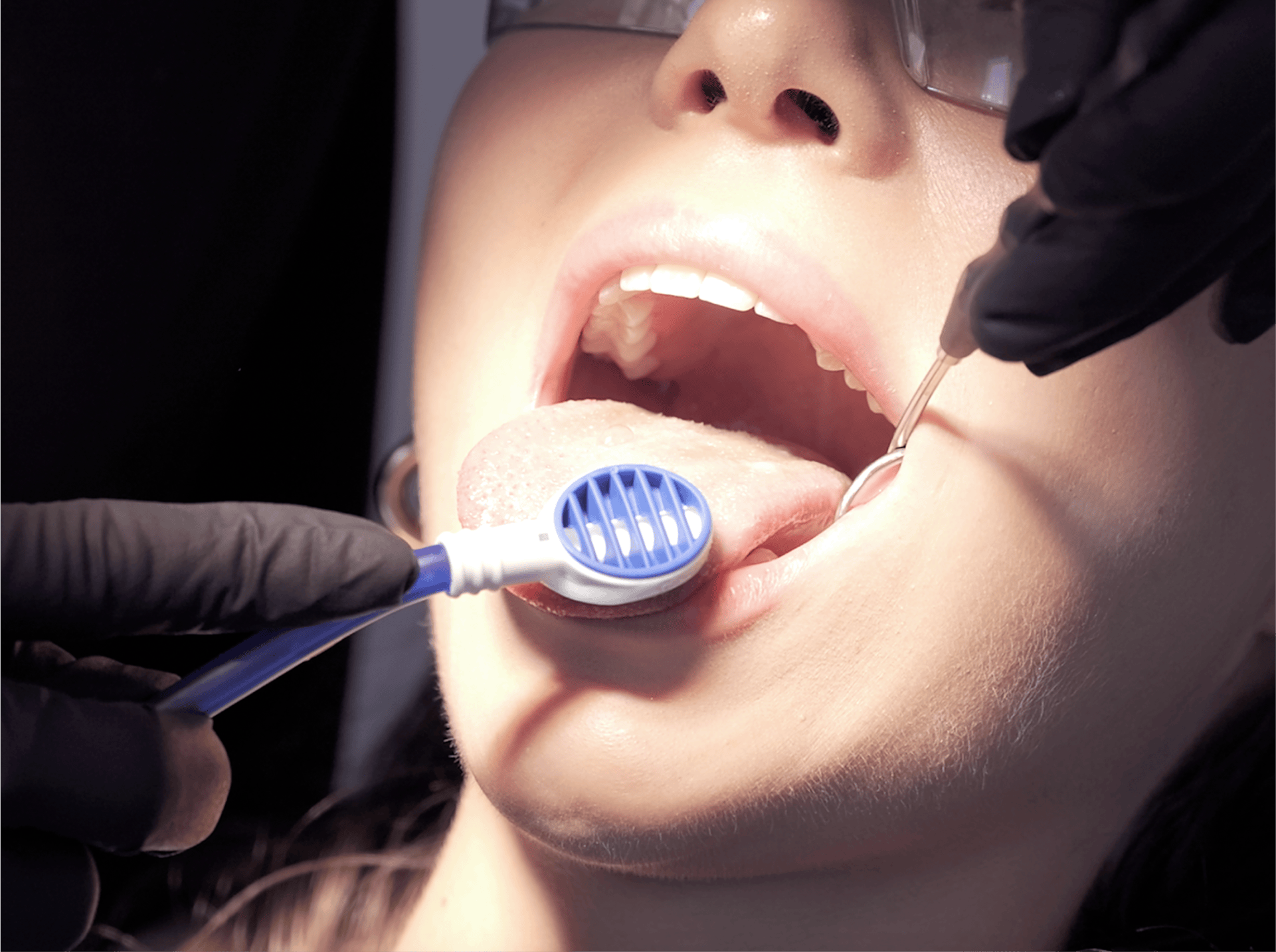
Tongue cleaning is often forgotten, but it is important for fresh breath. Many bacteria collect on the tongue, especially at the back, where a toothbrush does not reach easily. Cleaning your tongue regularly with a tongue scraper removes this bacterial film and helps keep your breath fresh.


 Dental Hygiene