Back to overview
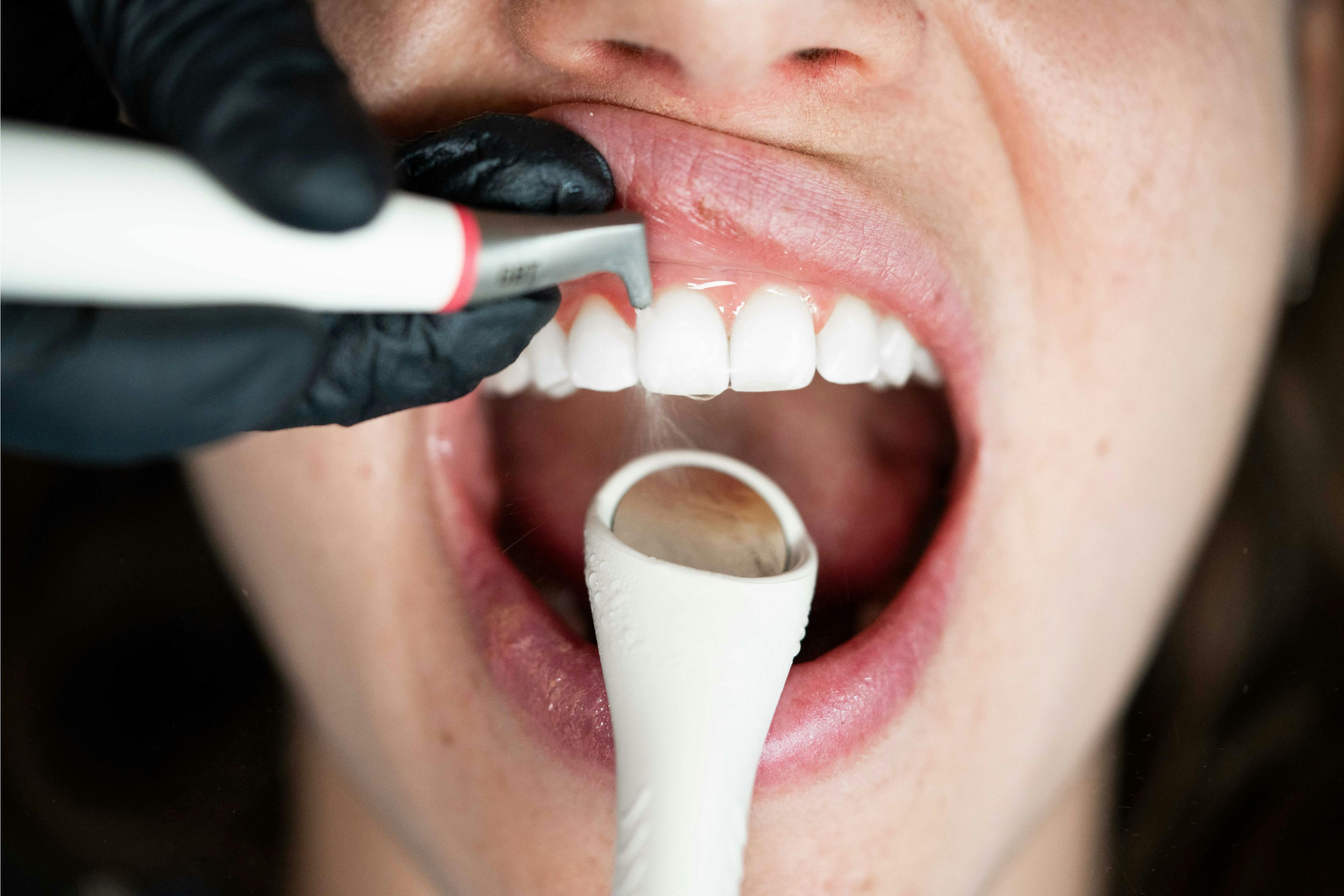
Dental professional with black gloves cleans teeth with a handpiece, suction tube in the foreground

How to clean between your teeth

Oral CareSep 25, 20245 min read

You brush twice a day, but are you cleaning between your teeth? The tiny gaps between teeth are where plaque, food debris and bacteria collect first, and a toothbrush alone cannot reach them properly. Cleaning between your teeth every day protects against cavities, bleeding gums and bad breath. Dental floss, interdental brushes and water flossers are all designed to do exactly that.


Andrea Seraina

Andrea Seraina

Dental Content Specialist

Why is it important to clean between your teeth?

The gaps between your teeth, known as interdental spaces, are where food debris and bacteria build up most easily. If you do not clean them regularly, this can lead to plaque, cavities, bad breath and even gum inflammation such as periodontitis. Very tight gaps, braces and restorations such as dental implants need particularly thorough cleaning.

Dental floss: a classic for cleaning between teeth

Dental floss is one of the oldest and best-known ways to clean between your teeth. It comes waxed and unwaxed. Waxed floss glides more easily through tight gaps, while unwaxed floss is good at lifting plaque. Technique matters: you want to clean thoroughly without hurting your gums. Wind the floss around your fingers and guide it gently between your teeth, curving it around each tooth, to remove food debris and plaque.

If you wear braces or have very tight gaps, floss can be fiddly. In that case, interdental brushes are a good alternative.

Interdental brushes: small brushes, big effect

Interdental brushes are tiny brushes that come in a range of sizes. They are very effective at cleaning between teeth and help to remove plaque and food debris. The bristles follow the shape of the tooth surfaces and can reach awkward areas such as the back teeth.

Choosing the right size is important. A brush that is too big can hurt your gums, while one that is too small will not clean thoroughly. Most brands offer several sizes, so it is easy to find the one that fits.

Interdental brushes also work well around implants and braces. If you are not sure which size suits you, ask your dental hygienist or try a few sizes until one slides in comfortably without force.

Water flossers: an extra cleaning aid

A water flosser (oral irrigator) can be a useful extra, especially if floss or interdental brushes are hard for you to use. A targeted jet of water flushes food debris and plaque out from between your teeth. It does not replace the mechanical cleaning you get from floss or interdental brushes, but it can be a valuable addition to your daily teeth care routine.

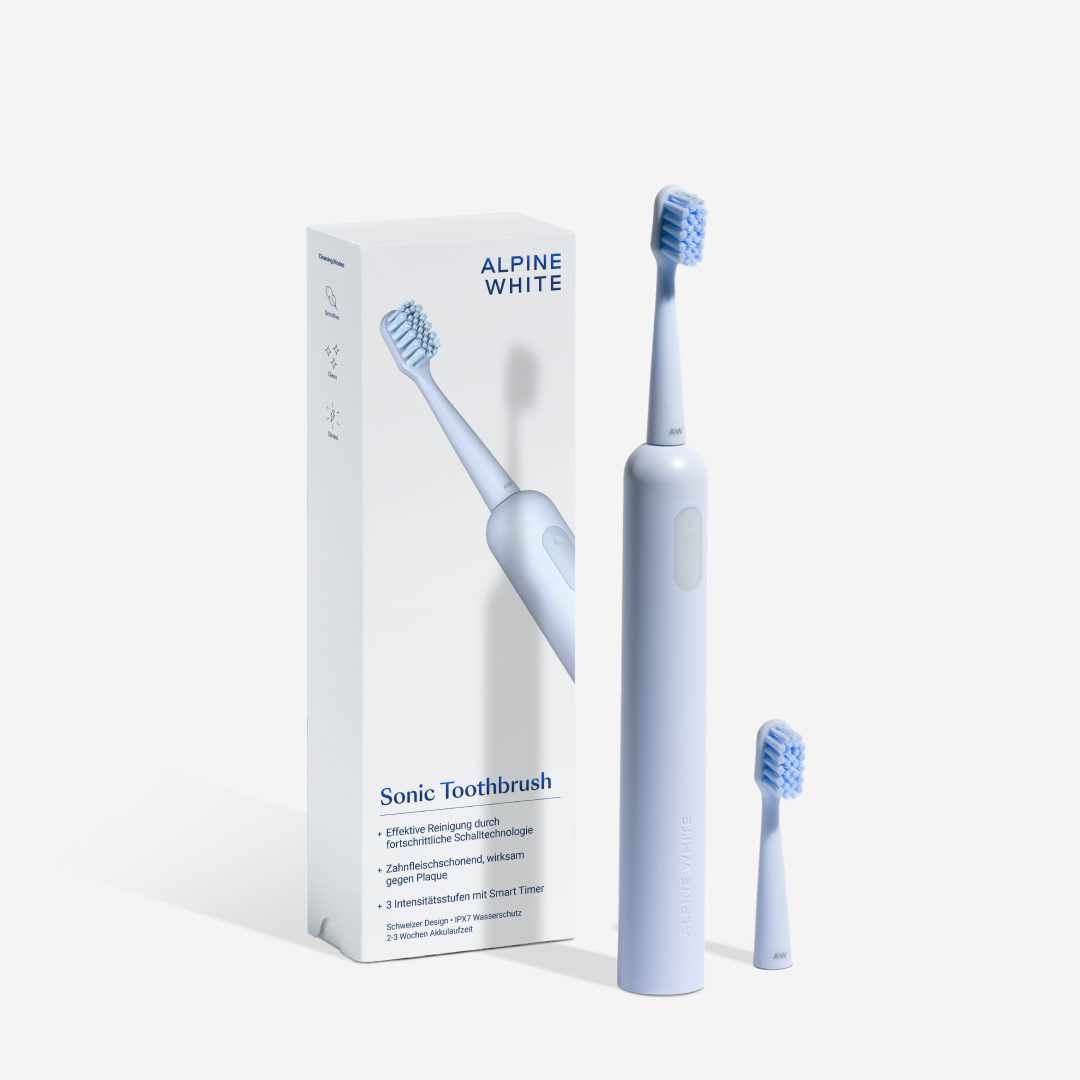
Alpine White Sonic Toothbrush

The Alpine White Sonic Toothbrush is a great way to step up your oral hygiene every time you brush. Its sonic technology delivers up to 80,000 vibrations per minute and reaches tight gaps that a manual toothbrush struggles with. Thanks to the hydrodynamic effect, the electric toothbrush removes up to 86% more plaque than manual toothbrushes and reduces gum inflammation by up to 92%.

The soft, antibacterial bristles are gentle on your gums and the necks of your teeth, while still working deep between teeth to remove food debris and plaque. That helps lower the risk of cavities and periodontitis in these hard-to-reach areas.
Sonic Toothbrush next to its packaging and a replacement brush head against a light background
5.0(3)

Sonic Toothbrush

€ 99.90

1 pc • € 99.90

Learn more

Professional teeth cleaning at your dental hygienist

Even with careful daily cleaning, some deposits stay put. A professional clean at your dentist or dental hygienist (often called a scale and polish) removes plaque and tartar from between the teeth, including hard spots that a toothbrush, floss or interdental brushes cannot fully reach. This lowers the risk of cavities, gum inflammation and periodontitis. Your hygienist can also show you which tools and sizes suit your gaps, so you can keep up good oral hygiene at home.

How do you look after your gums?

Healthy gums are the foundation of good dental health. If you notice bleeding gums, it can be a sign of inflammation. Gums often bleed when the gaps between your teeth have not been cleaned for a while. Cleaning thoroughly with floss or interdental brushes can help get the problem under control. If the bleeding persists, see your dentist.

A fluoride toothpaste and an antiseptic mouthwash can also support healing and benefit your oral health. It is also worth booking regular professional teeth cleaning so that plaque and tartar can be removed.

What is the best method for you?

No single method is best for everyone. It depends on your needs. Do you have tight gaps between your teeth? Waxed floss may be the best choice. Do you wear braces or have implants? Interdental brushes may suit you better.

It is also worth trying out different tools. Many people combine floss, interdental brushes and mouthwash to look after the spaces between their teeth.

What should you avoid when cleaning between your teeth?

As tempting as it may be, never use toothpicks or other sharp objects to clean between your teeth. They can hurt delicate gums, damage the necks of your teeth and even lead to inflammation. Avoid improvised tools such as hairpins or metal clips too. They do not clean effectively and increase the risk of irritating your gums or scratching tooth surfaces.

Conclusion

Cleaning between your teeth should be a fixed part of your daily oral hygiene. Whether you use floss, interdental brushes, a water flosser or a mix of all three, the key is to clean the gaps regularly and thoroughly. That protects your teeth from cavities and helps prevent gum inflammation and periodontitis. With the right routine, you can keep your mouth healthy and enjoy strong teeth and healthy gums for years.

If you still have questions about technique or the best tools for you, ask your dentist or dental hygienist, or try a few different aids until you find what works. Your teeth will thank you!

This might also interest you

Two smiling women against a white background, one in green top, the other in beige jacketDental Hygiene

Professional teeth cleaning with a dental hygienist

A visit to the dental hygienist does two jobs. Cosmetically, a professional teeth cleaning removes stains and plaque for a cleaner, brighter smile. Medically, it protects your gums and teeth, so they stay healthy for much longer. Here is how a scale and polish works, what it prevents and how to support it at home.

Smiling man with curly hair brushes his teeth with a blue toothbrushOral Care

Gum care: how to keep your gums healthy

Want healthy teeth and healthy gums? Good gum care starts with a solid daily routine. Neglected gums can lead to bleeding gums, gingivitis and other forms of gum disease. The good news: a few simple habits are enough to keep your gums healthy and prevent problems before they start.