Back to overview
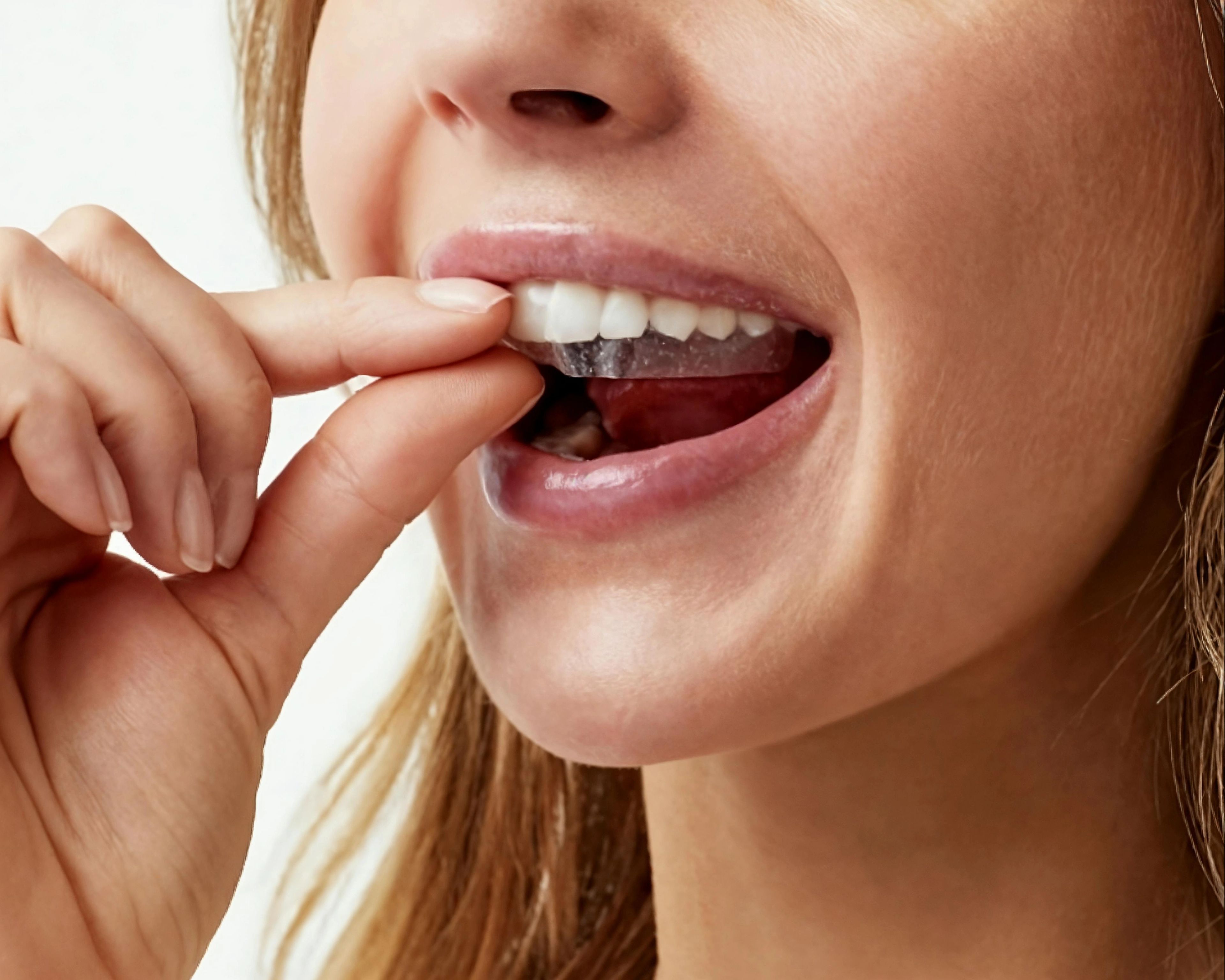
Woman grimaces and sticks out her tongue, against a light background

A small hole in your tooth: what it means and what to do

Dental HealthApr 26, 20244 min read

Teeth let us chew, speak and smile, so a small hole in a tooth can be worrying. This guide explains how tooth decay (cavities) develops, how a dentist treats it and how you can prevent it with simple daily habits.


Andrea Seraina

Andrea Seraina

Dental Content Specialist

What is tooth decay and how does a small hole develop?

A small hole in a tooth is usually a sign of tooth decay, also called a cavity. It is a very common problem, often linked to poor oral hygiene. If you do not clean your teeth thoroughly every day, plaque and bacteria build up. They produce acids that attack the tooth enamel. Left untreated, decay can go deeper and cause serious damage. In advanced cases a crown or even an implant may be needed to restore the tooth. Dentists around the world agree that thorough daily tooth care is the key to avoiding these problems.

Early stage: initial caries and white spots

In the early stage, known as initial caries, you may notice only a discoloured patch or a tiny hole on the tooth surface. At this point the damage can often still be reversed. Fluoride, found in many toothpastes and mouthwashes, helps to remineralise the enamel and prevent further damage. Choose a fluoride toothpaste for daily care. Our Alpine White Whitening Toothpaste Extra White is an everyday option for removing stains.

Deep cavities: when the dentine is affected

Once decay reaches the dentine, it is a deeper cavity. Dentine contains many tiny nerve channels, so damage here can cause sensitive teeth and strong toothache. A filling or even root canal treatment may be needed to save the tooth. If you have toothache, see your dentist promptly.

How can you prevent tooth decay?

Brushing: the basis of good oral hygiene

Regular brushing is the foundation of good oral hygiene. It removes plaque and food debris, which feed the bacteria that cause cavities. Brush at least twice a day, ideally with a fluoride toothpaste that strengthens your enamel.

Dental floss and cleaning between your teeth

The spaces between teeth are easily missed during normal tooth brushing, which makes them a common place for cavities to start. Using dental floss or interdental brushes once a day is essential to remove plaque and food debris from these hard-to-reach areas.

Professional teeth cleaning at the dentist

A professional teeth cleaning with a dental hygienist (a scale and polish) removes plaque and tartar that are hard to get rid of at home. It helps to prevent cavities as well as gum problems and bad breath. Your dentist can tell you how often you should go.

Diet: watch out for sugar and carbohydrates

Sugary drinks and snacks can significantly raise your risk of tooth decay. The bacteria in your mouth use sugar to produce acids that attack enamel. A diet rich in fruit, vegetables and unprocessed foods supports your general health and your teeth too.

Folding box and tube ALPINE WHITE Extra White Whitening Toothpaste, “Swiss Made” note
4.7(69)

Whitening Toothpaste Extra White

€ 19.90

75 ml • € 26.53

Learn more

How is a small hole in a tooth treated?

Act early

At the first sign of a cavity, such as a dark spot, a rough patch or a new sensitivity, book an appointment with your dentist. Early diagnosis and treatment can avoid more invasive procedures such as a large filling or a crown.

Cavity treatment: fillings and more

If decay is diagnosed, the treatment depends on how far it has progressed. For a superficial cavity, a filling is often enough to close the hole and keep the structure of the tooth. Fillings are commonly made of amalgam or composite resin. Many people now prefer to avoid amalgam because of health and environmental concerns, so it is worth talking through the options with your dentist.

Advanced decay: when deeper treatment is needed

If deep decay reaches the nerve of the tooth, root canal treatment may be necessary. It removes the infected pulp and cleans the root to stop the infection spreading. If the tooth is badly damaged, a dental crown may be needed to protect it and restore its function.

Cavities in milk teeth

Milk teeth are particularly prone to decay. They fall out eventually, but their health matters for the development of the permanent teeth and a correct bite. Untreated decay in milk teeth can lead to pain, infection and problems for the teeth that follow.

Spot problems early: the role of bacteria and daily care

Prevention is the be-all and end-all of modern dentistry. Cavities are caused by certain bacteria in the mouth that turn sugar into acid, so keeping plaque under control is your best defence. Regular check-ups let your dentist find early cavities and white spots before they become holes.

Oral hygiene at home with Alpine White

Alpine White supports your daily routine at home. Our toothpaste helps to clean your teeth, while a sonic toothbrush makes thorough brushing easier. Together with good gum care, this helps to protect against decay. These products support prevention and do not replace visits to your dentist.

Quick checklist to keep cavities away

  • Brush twice a day with fluoride toothpaste.
  • Clean between your teeth once a day with floss or interdental brushes.
  • Limit sugary drinks and snacks, especially between meals.
  • See your dentist and dental hygienist for regular check-ups and professional cleaning.

A healthy smile starts with prevention

Tooth decay is a serious condition that can affect anyone, and the best strategy against it is prevention. Good oral hygiene, regular dental check-ups and a low-sugar diet help keep your teeth healthy. Looking after your teeth is a lifelong habit that lays the foundation for a healthy smile.

This might also interest you

Smiling woman brushes her teeth in front of the bathroom mirrorTeeth Whitening

PAP Teeth Whitening: How Gentle Whitening Supports Healthy, White Teeth

Most of us want whiter teeth, but worry about enamel and sensitivity. Classic bleaching is often linked with strong ingredients and unpleasant side effects. PAP teeth whitening offers a gentler alternative: it aims to reduce stains and support healthy, white teeth without putting unnecessary stress on your enamel. In this article, we explain in simple terms what PAP is, how it works and how ALPINE WHITE whitening strips and whitening toothpaste can fit into your daily oral care routine.

Light blue toothbrush next to an ALPINE WHITE toothpaste tube on a shelfOral Care

How a modern oral care routine helps you avoid costly, painful dental treatment

Most of us know we should look after our teeth better, but between work, family and everyday life there is rarely time for a clear plan. Dental treatment is not getting any cheaper, and every painful session in the dentist’s chair is a reminder of how valuable prevention is. This article shows you how a realistic, modern oral care routine can protect your teeth and gums, keep plaque and stains in check, and lower your risk of costly, painful treatment.

Woman places a Whitening Strip on the upper teethTeeth Whitening

Best teeth whitening strips in Europe: why Alpine White is the top choice

Looking for the best teeth whitening strips in Europe, without sensitivity or harsh chemicals? Find out why Alpine White's clinically validated, peroxide-free whitening strips are trusted in Germany, Austria and Poland. Developed in Switzerland and sold by leading European retailers, they deliver visible results in just 3 days – gently, effectively and with no fuss.