Back to overview
Dental practice treatment unit with instrument hoses and display

Dental prophylaxis: how to protect your teeth and gums

Dental HygieneOct 4, 20245 min read

Healthy teeth and gums are the foundation of a bright smile. But how can you prevent cavities and gum disease in the first place? This guide explains what dental prophylaxis is, what a dental hygienist can do for you, and how daily care, a balanced diet and regular check-ups keep your teeth healthy for the long term.


Andrea Seraina

Andrea Seraina

Dental Content Specialist

What is dental prophylaxis?

Dental prophylaxis covers every preventive measure that protects your dental health and stops oral diseases before they start. It is not only about your teeth. It also protects the lining of your mouth and your gums. There are several forms: group prophylaxis in settings such as schools or workplaces, primary prophylaxis and secondary prophylaxis for prevention and early signs of disease, and long-term prophylaxis, which keeps your teeth healthy through regular care and professional treatments.

Primary and secondary prophylaxis

Primary prophylaxis means preventing dental problems from the outset. That includes brushing every day, cleaning between your teeth with floss and eating a tooth-friendly diet. Secondary prophylaxis steps in when the first signs of cavities or gum disease have already appeared. Treatments such as fluoride application or a more thorough clean can help stop the problem early.

Your dentist or dental hygienist can tailor professional prevention to your needs and spot early warning signs. At home, a fluoride toothpaste and a good brushing routine do the day-to-day work, so you keep your results between appointments.

What is group prophylaxis?

Alongside individual prevention, there is group prophylaxis, used mainly in schools, nurseries and workplaces. Its aim is to reach as many people as possible and improve dental health across a whole group. Children and adults learn how to brush properly, how to prevent cavities and gum disease, and how diet affects their teeth. Because it reaches so many people, it is very effective at raising awareness of oral hygiene.

You can benefit too by taking the tips from these programmes into your daily dental care. Regular check-ups, professional teeth cleaning and consistent care at home are the key to long-lasting dental health.

Long-term prophylaxis: a plan for lasting dental health

To keep your own teeth for life, long-term prophylaxis is essential. Primary and secondary prophylaxis deal with prevention and early problems, while long-term prophylaxis aims to maintain healthy teeth and gums for good. It can include regular professional teeth cleaning, dietary advice and personal care instructions, all designed to prevent lasting damage.

Short-term prophylaxis: help for acute problems

Prophylaxis is not always a long-term matter. Short-term prophylaxis applies when there are acute problems in the mouth, such as inflamed gums or temporary tooth sensitivity. Quick, targeted treatment can ease the discomfort and prevent greater damage.

It often involves an intensive clean or a treatment adapted to the affected area. If you notice pain, bleeding gums or persistent bad breath, see your dentist.

Why is dental prophylaxis so important?

Your oral health directly affects your general health. Untreated inflammation in the mouth can lead to tooth loss and may increase the risk of other illnesses. Your periodontium, the tissue that anchors each tooth in the jaw, can be damaged by poor oral hygiene and a lack of prevention. Regular prophylaxis helps you avoid this damage and keep your natural teeth.

Why does the oral mucosa matter?

The oral mucosa is the protective layer lining your whole mouth. It defends against germs and bacteria and keeps the mouth moist. A healthy mouth goes well beyond dental health, because the oral mucosa affects your general well-being. Inflammation, injuries or disease in the mucosa can also affect your teeth and gums. With regular check-ups and good oral care, problems can be spotted and treated early.

A professional clean by a dental hygienist removes deposits that brushing misses, which makes it harder for bacteria to spread and keeps your mouth in balance.

Prophylaxis with crowns, bridges and implants

If you already have dental restorations such as crowns, bridges or implants, prophylaxis matters just as much as it does for natural teeth. Restorations need regular cleaning to prevent bacterial build-up and inflammation. Consistent care helps them last longer and cause fewer problems.

How do you keep your mouth healthy every day?

  • Brush your teeth: Brush thoroughly at least twice a day with a toothpaste containing fluoride, which strengthens enamel and protects against acid attacks. Our Whitening Toothpaste Extra White contains fluoride and is designed to look after your teeth while it gently brightens them.
  • Clean between your teeth: Even a good toothbrush mostly reaches the tooth surfaces, so clean the spaces between your teeth too. Use floss or interdental brushes to remove food debris and plaque. This helps prevent cavities and inflammation.
  • Eat a tooth-friendly diet: A balanced diet supports your dental health. Limit sugary snacks and drinks, as sugar feeds the bacteria that cause cavities. Choose plenty of vegetables, fruit and dairy products instead.
  • Visit your dentist and dental hygienist regularly: Alongside daily care, a regular check-up and a professional scale and polish help find problems early and keep them small.

Why is fluoride important?

Fluoride is a core part of modern dental care. It helps remineralise enamel and makes it more resistant to the acid produced by bacteria in your mouth. Most toothpastes contain fluoride, and you use it every time you brush, including with our Whitening Toothpaste Extra White.

Periodontitis: what is the risk to your gums?

Untreated gum inflammation (gingivitis) can develop into periodontitis, a serious disease of the periodontium. The tissue around the teeth becomes inflamed, which can eventually lead to tooth loss. It is the most common cause of tooth loss in adults. Regular prophylaxis and good oral care can reduce this risk significantly.

A dental hygienist can clean thoroughly around the gum line, show you how to keep up good oral hygiene at home and help you tackle problems before they progress.

What can you do at home to support prevention?

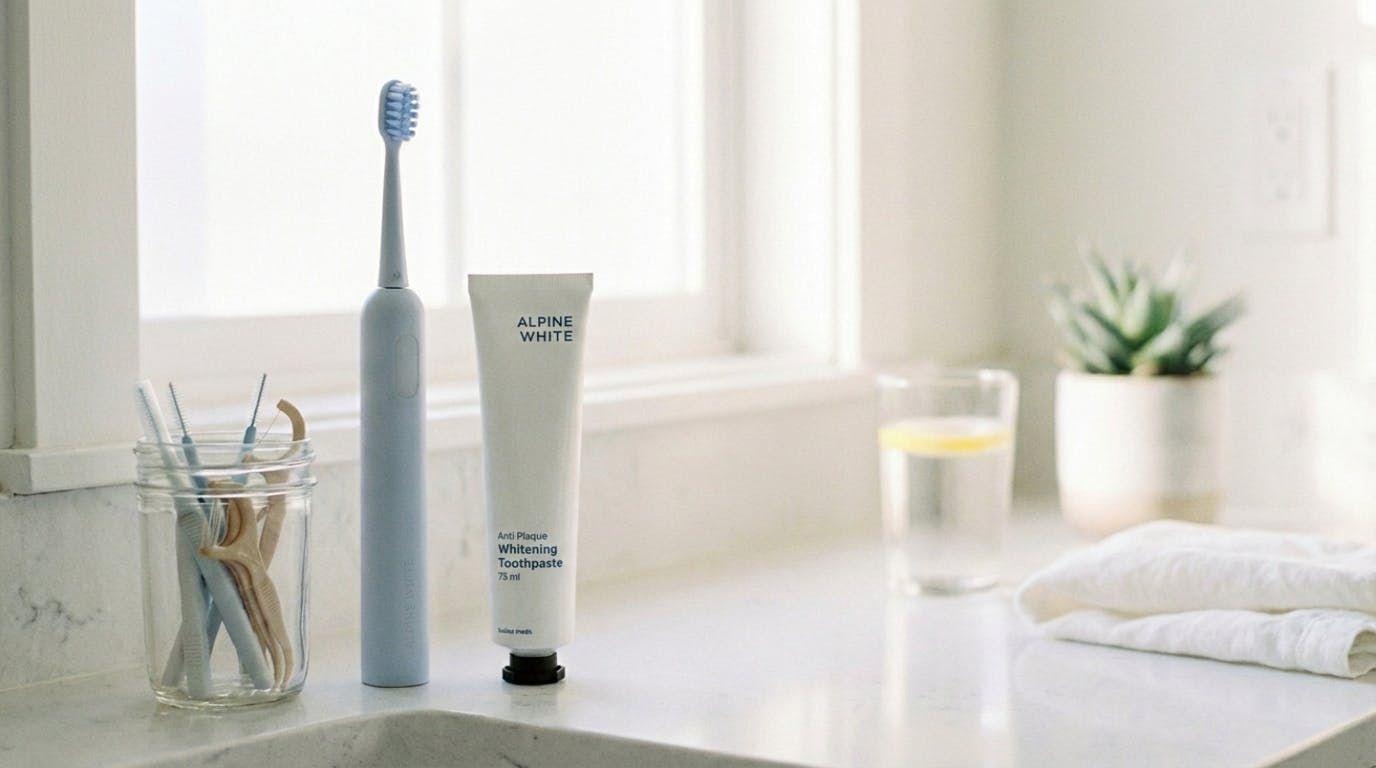
Professional care works best when your daily routine backs it up. A Sonic Toothbrush and a fluoride Whitening Toothpaste Extra White make it easy to brush thoroughly twice a day, protect your enamel and keep your smile looking bright between dental appointments.

Conclusion

Prophylaxis is the key to healthy teeth and a confident smile. With daily oral care, a healthy diet and regular professional prevention, you can keep your enamel strong and protect yourself against cavities and gum infections.

Not sure when you last had a check-up? Book an appointment with your dentist or dental hygienist, and build a simple routine at home to stay on track.

This might also interest you

Smiling woman brushes her teeth in front of the bathroom mirrorTeeth Whitening

PAP Teeth Whitening: How Gentle Whitening Supports Healthy, White Teeth

Most of us want whiter teeth, but worry about enamel and sensitivity. Classic bleaching is often linked with strong ingredients and unpleasant side effects. PAP teeth whitening offers a gentler alternative: it aims to reduce stains and support healthy, white teeth without putting unnecessary stress on your enamel. In this article, we explain in simple terms what PAP is, how it works and how ALPINE WHITE whitening strips and whitening toothpaste can fit into your daily oral care routine.

Light blue toothbrush next to an ALPINE WHITE toothpaste tube on a shelfOral Care

How a modern oral care routine helps you avoid costly, painful dental treatment

Most of us know we should look after our teeth better, but between work, family and everyday life there is rarely time for a clear plan. Dental treatment is not getting any cheaper, and every painful session in the dentist’s chair is a reminder of how valuable prevention is. This article shows you how a realistic, modern oral care routine can protect your teeth and gums, keep plaque and stains in check, and lower your risk of costly, painful treatment.

Woman places a Whitening Strip on the upper teethTeeth Whitening

Best teeth whitening strips in Europe: why Alpine White is the top choice

Looking for the best teeth whitening strips in Europe, without sensitivity or harsh chemicals? Find out why Alpine White's clinically validated, peroxide-free whitening strips are trusted in Germany, Austria and Poland. Developed in Switzerland and sold by leading European retailers, they deliver visible results in just 3 days – gently, effectively and with no fuss.