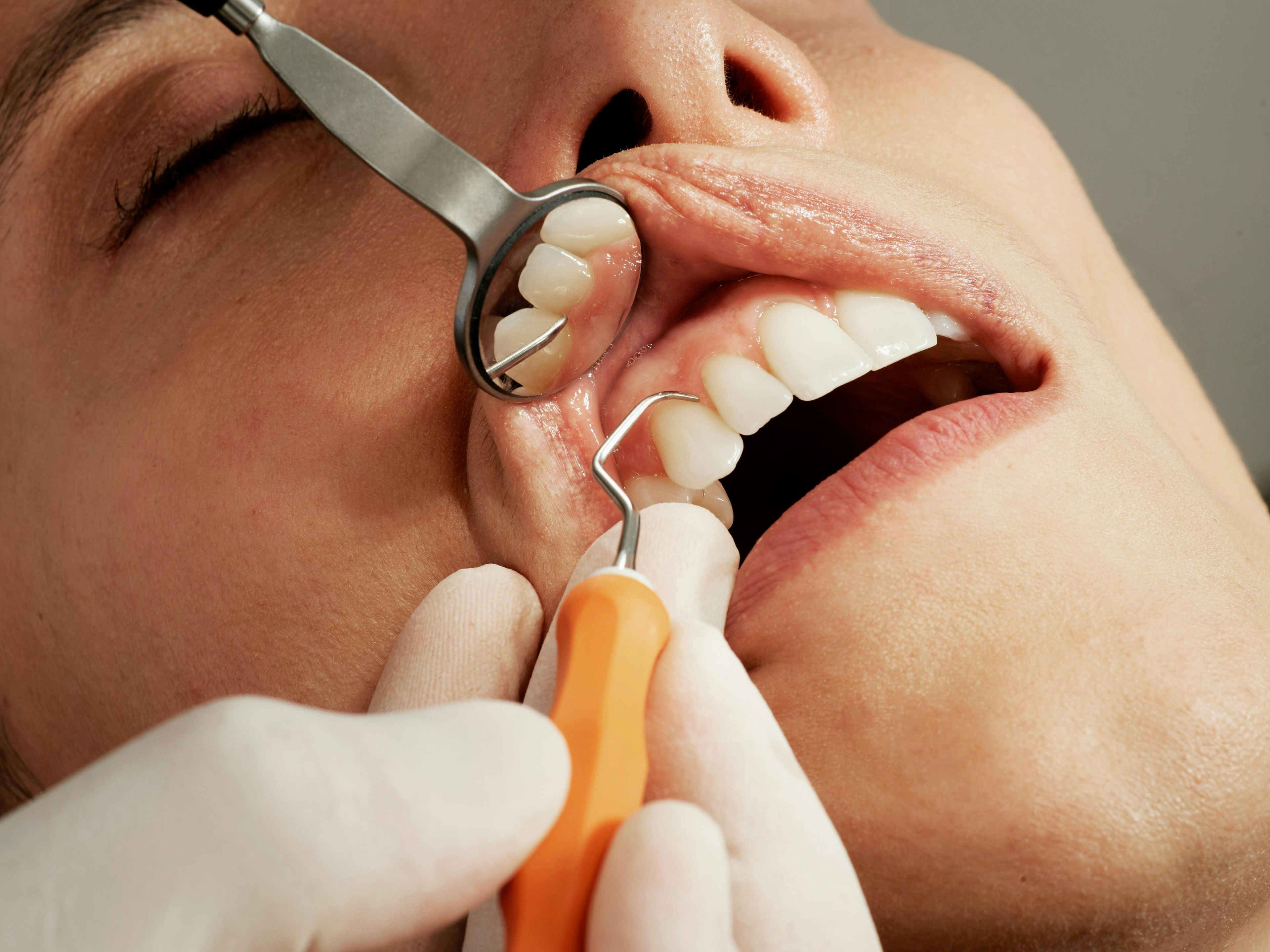
The most common tooth diseases
Tooth decay (cavities)
Tooth decay, also called dental caries or cavities, is one of the most common dental diseases worldwide. Bacteria in your mouth turn sugar into acids. These acids attack the enamel and create holes in the tooth. Left untreated, a cavity can reach the root and cause toothache.
Gingivitis and periodontitis: gum disease
Gingivitis is an inflammation of the gums caused by plaque and food residue. Typical signs are bleeding gums, redness and swelling. Without treatment, gingivitis can develop into periodontitis. Periodontitis is a more serious form of gum disease that attacks the tissue holding your teeth in place, as well as the jawbone. It can lead to tooth loss.
Root inflammation and abscess
Root inflammation occurs when the pulp, the soft tissue inside the tooth, becomes inflamed. Deep cavities or an injury to the tooth can cause it. Untreated, it can lead to an abscess, a painful collection of pus that needs dental treatment straight away.
Pulpitis
Pulpitis is inflammation of the pulp and can be acute or chronic. It often causes severe toothache and needs treatment to save the affected tooth.
Tartar and plaque
Tartar forms when plaque hardens and attaches to the tooth surface. It can irritate the gums and lead to gingivitis and periodontitis. Regular brushing and professional teeth cleaning help to keep tartar under control.
Teeth grinding
Teeth grinding, also known as bruxism, can wear down enamel, cause cracks in the dentine and even loosen teeth. Reducing stress and wearing a dental splint can help to control it.
Dentine and exposed tooth necks
Dentine is the main substance of your teeth and lies directly beneath the enamel. It can be damaged by cavities or erosion. Exposed tooth necks, caused by receding gums, leave the sensitive dentine unprotected. This can lead to pain and sensitive teeth, especially with hot, cold or sweet food and drink. With targeted prevention and timely treatment, most dentine and gum problems can be limited effectively.
What causes tooth diseases?
Poor oral hygiene
Not brushing thoroughly enough and skipping dental floss allows plaque and tartar to build up. This in turn can cause cavities, gingivitis and periodontitis. Good oral hygiene is essential for healthy teeth.
A sugar-rich diet
A diet high in sugar and refined carbohydrates feeds the bacteria that cause decay. These bacteria produce acids that attack the enamel and lead to cavities.
Smoking
Smoking reduces blood flow to the gums and raises the risk of gum disease such as gingivitis and periodontitis. It can also slow healing after dental treatment.
Genetic factors
Some people are genetically more prone to tooth diseases. If they run in your family, pay extra attention to your dental care.
Medical conditions
Conditions such as diabetes can raise the risk of tooth diseases. Some medications also affect oral health by reducing saliva and causing dry mouth.
Symptoms of tooth diseases: when should you see a dentist?
Toothache
Toothache is often the first sign of a dental problem. Cavities, root infections, abscesses or gum disease can all cause it.
Bleeding gums
Bleeding gums are a common symptom of gingivitis and periodontitis. Do not ignore them, as they can point to a serious gum disease.
Bad breath
Persistent bad breath can be a sign of plaque, cavities or gum disease. Thorough oral hygiene helps to reduce bad breath. Cleaning your tongue can also help to keep your breath fresh.
Swelling and pus
Swelling in the mouth and pus are signs of an infection that needs dental treatment straight away.
Loose teeth and tooth loss
Loose teeth are a serious symptom of periodontitis and can lead to tooth loss if left untreated.
How can you prevent tooth diseases?
Brush regularly
Brush your teeth at least twice a day with a fluoride toothpaste. Fluoride strengthens the enamel and helps to prevent cavities. Our Whitening Toothpaste Extra White is a good everyday choice.
Use floss and mouthwash
Clean between your teeth every day with dental floss to remove plaque and food particles. A mouthwash can also help to reduce bacteria and freshen your breath.
Eat a healthy diet
Cut back on sugary and highly processed foods. A balanced diet rich in fruit, vegetables and wholegrains supports healthy teeth.
See your dentist and dental hygienist regularly
Visit your dentist at least twice a year for a check-up, and ask about professional teeth cleaning with a dental hygienist. They can spot early signs of tooth disease and treat them. This supports good oral care between visits.
Avoid tobacco
Smoking significantly raises the risk of tooth diseases. Quitting tobacco is one of the best things you can do for your dental health.
Manage stress
Stress can lead to teeth grinding, which can damage your teeth. Yoga, meditation or exercise can help to reduce it.
How are tooth diseases treated?
Fillings and crowns
Your dentist can treat cavities with fillings to close the hole and prevent further damage. For larger damage, a dental crown may be needed to protect the tooth. Catching a cavity early often means a simpler and less costly treatment.
Root canal treatment
A root canal treatment is needed when the pulp is inflamed or infected. The inflamed tissue is removed, then the tooth is filled and sealed.
Periodontal treatment
For periodontitis, a deep cleaning below the gum line may be needed to remove plaque and tartar. In severe cases, surgery may be necessary to restore the structures that support the teeth.
Wisdom tooth removal
Wisdom teeth often cause problems when they do not come through properly. In such cases, removal may be needed to avoid pain and infection.
Dentures, bridges and implants
If you lose a tooth, options such as bridges, implants or dentures can restore the function and appearance of your teeth.
Why is dental care important for children?
Milk teeth
Caring for milk teeth is just as important as caring for permanent teeth. Milk teeth hold the space for permanent teeth and are important for speech and chewing.
Dental visits
Children should have their first dental visit within their first year. Regular visits help to spot and treat tooth diseases early.
Healthy habits
Teach your children the importance of oral hygiene from an early age. Regular brushing and flossing should become habits early on.


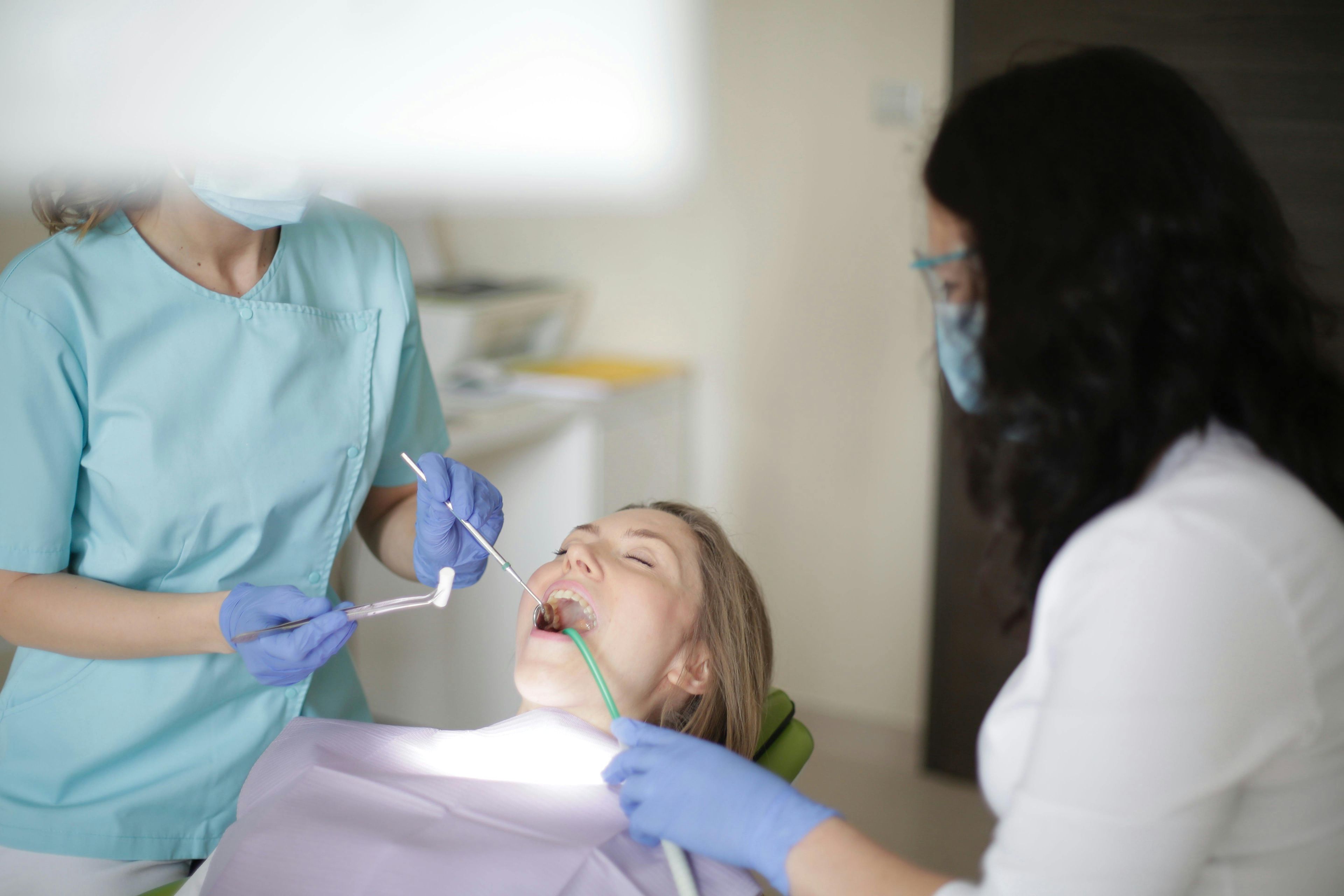 Dental Hygiene