Back to overview
Black and white photo: woman bites her fist and grimaces

Tooth Loss: Causes, Consequences and Prevention

Dental HealthOct 15, 20246 min read

Tooth loss affects many people during their lives, and the reasons are varied. From cavities and gum inflammation such as gingivitis to serious conditions like periodontitis, missing teeth can have different causes. In this article you will learn what the most common cause of tooth loss is, how you can prevent it and what your options are if it does happen.


Andrea Seraina

Andrea Seraina

Dental Content Specialist

What causes tooth loss?

The most common cause of tooth loss is periodontitis. This advanced form of gum inflammation often starts with harmless-looking symptoms such as bleeding gums, redness and swelling. Left untreated, the inflammation attacks the tooth-supporting tissue: the gums, fibres and jawbone. The bacterial infection destroys the tissue that anchors the tooth in the jaw. The tooth loses its hold and, in the worst case, falls out. Once a tooth is lost, it cannot simply be replaced, and tooth loss often accelerates.

Cavities are the second main cause. They develop when bacteria form a film called plaque on your teeth. This attacks the enamel and creates holes in the tooth. If a cavity is left untreated, it penetrates deeper until it reaches the tooth root, and by then the tooth often cannot be saved. It is particularly serious when decay reaches the tooth nerve, as this often causes severe pain and means the tooth has to be extracted.

An often overlooked reason for tooth loss is teeth grinding. This habit, which usually happens at night, puts excessive pressure on your teeth. Constant grinding causes enamel erosion and strain on the jaw joint, which over time can weaken the stability of your teeth and even lead to their loss.

What are the early warning signs of dental problems?

Several symptoms can point to a risk for your dental health, and you can spot some of them yourself. If you notice any of the following early signs, act quickly to protect your natural teeth:

  1. Bleeding gums: do your gums bleed when you brush or use dental floss? This can be a sign of emerging gum disease.
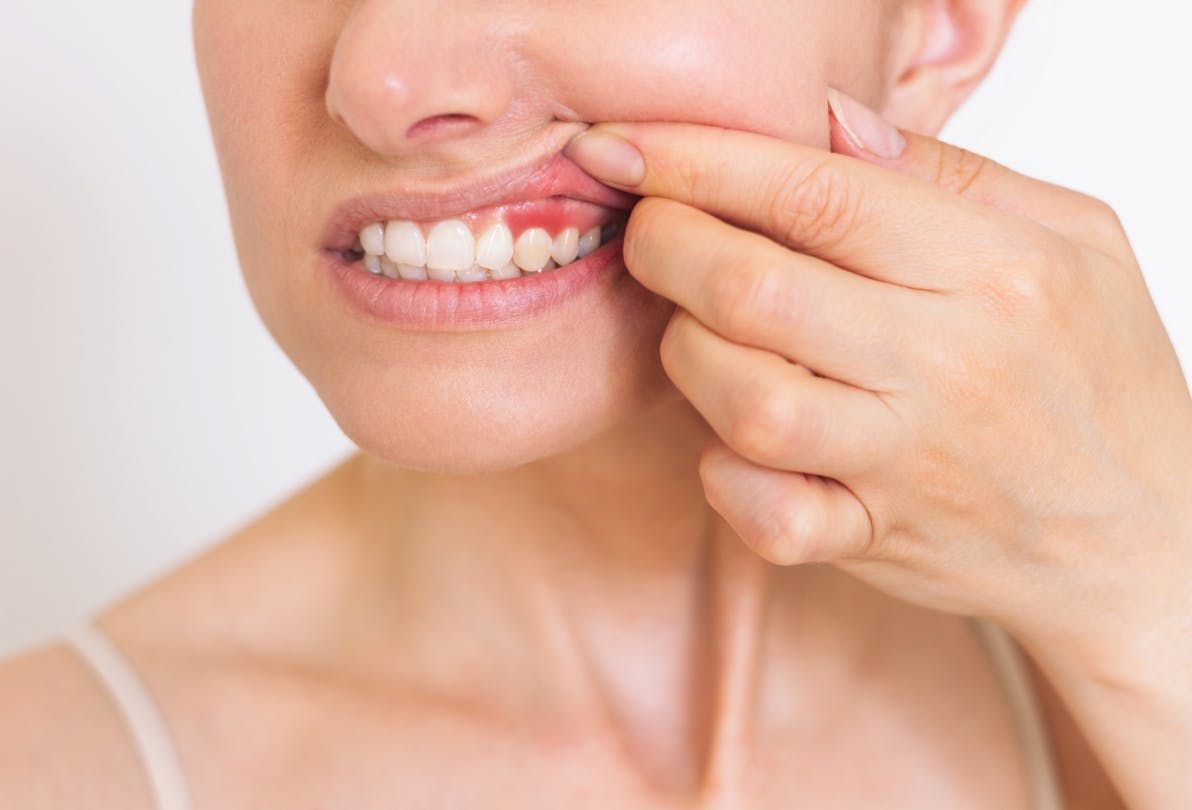
  2. Redness and swelling: inflamed gums often look visibly swollen and intensely red.
  3. Gum pockets: in gum disease, so-called gum pockets form, where bacteria multiply easily and drive the infection further.
  4. Plaque and tartar: a heavy build-up of plaque and stubborn tartar can lead to serious problems if it is not removed in time by professional teeth cleaning.

If you notice any of these symptoms, do not wait to see your dentist. Early diagnosis and treatment can do a lot to prevent tooth loss.

What are the consequences of tooth loss?

Missing teeth do not only affect your appearance. They also have a deep impact on your dental health and on how your bite works. Losing a tooth can put extra load on the neighbouring teeth, which become overworked and weaker. Your jaw joints are affected too, because the balance in your mouth is disturbed. This often has long-term consequences for the whole jaw.

Tooth loss also leads to a loss of bone. When a tooth is no longer anchored in the jawbone, that area is no longer stimulated by chewing. The result is bone resorption, which affects dental health and your appearance. Over time, the facial profile can visibly sink in.

Tooth replacement: what can you do if you lose a tooth?

Fortunately, there are many ways to replace missing teeth today. The most common options are:

  • Dental implants: one of the best solutions for missing teeth. Implants are anchored directly in the jawbone and give the replacement tooth a stable hold. They work like natural teeth and help prevent bone loss.
  • Bridges: a bridge is attached to the neighbouring teeth to close the gap. However, healthy teeth often have to be ground down for this, which can reduce their stability in the long run.
  • Dentures: if you have lost several teeth or all of them, dentures can help. Modern dentures are often removable and can be fixed to your remaining teeth or the jawbone.

How can you prevent tooth loss?

The best treatment for tooth loss is to stop it from happening in the first place. With consistent oral hygiene and regular dental check-ups, you can effectively prevent its most common causes, such as tooth decay and periodontitis. These are the measures that matter most.

Brush your teeth regularly

Brushing is the foundation of healthy teeth. To remove plaque effectively, brush thoroughly at least twice a day, using a technique that is gentle on the enamel and reaches every area of your mouth. Choose a soft toothbrush to avoid irritating your gums, and use a fluoride toothpaste. Fluoride strengthens the enamel and protects against tooth decay. Our Whitening Toothpaste Extra White fits easily into this daily routine.

Clean between your teeth

Besides brushing, cleaning between your teeth is an essential part of daily dental care. Food debris and plaque often collect in these narrow spaces, which a toothbrush struggles to reach. This is where floss and interdental brushes come in.

Have your teeth professionally cleaned

Even with thorough oral hygiene at home, stubborn tartar can build up over time. It can only be removed by a professional teeth cleaning (a scale and polish) at your dentist or dental hygienist. It is a good idea to have one at least once a year. Between appointments, a Sonic Toothbrush can support your daily plaque removal.

Eat a balanced diet

Alongside daily care, a balanced diet plays a key role in oral health. Sugary foods and soft drinks are a well-known risk factor for tooth decay. Sugar feeds bacteria that produce acids and attack the enamel. To prevent this, limit your sugar intake and choose a diet rich in vitamins and minerals.

Foods containing calcium and vitamin D are especially important, as they strengthen bone and so support both the stability of your teeth and your jawbone. Dairy products such as cheese and yoghurt are ideal, as they neutralise the pH value in your mouth and protect the enamel.

See your dentist for regular check-ups

Regular check-ups are another indispensable way to prevent tooth loss. They are important not only for treating existing problems, but also for spotting future ones early.

During a check-up, your dentist can examine the condition of your gums and jawbone. Early diagnosis of problems such as periodontitis or teeth grinding can help you avoid serious consequences such as tooth loss. Your dental hygienist can also advise you on the care techniques best suited to your situation.

What about tooth loss in baby teeth?

Proper care of baby teeth is also crucial for children, to avoid later problems. Baby teeth act as placeholders for the permanent teeth and help keep the jaw in the right position. If baby teeth are lost too early because of tooth decay or other problems, the permanent teeth can come through misaligned. Make sure your child's baby teeth are looked after carefully to prevent complications later.

Conclusion

Tooth loss is a serious problem with many possible causes, such as cavities, gum disease or teeth grinding. The best prevention is good oral hygiene and regular visits to the dentist. If a tooth is lost, dental implants and other forms of tooth replacement offer a long-term solution. By watching for early signs such as bleeding gums, redness or swelling, you can do a lot to keep your own teeth.

Your dental health is in your hands. With the right care and prevention, you can avoid gaps in your teeth and the consequences of tooth loss.

This might also interest you

Smiling woman with closed eyes and water droplets on her arm, against a blue backgroundDental Health

Dental health: your complete guide to healthy teeth and gums

Dental health is an often underestimated part of your overall health. Healthy teeth matter for your smile, but also for digestion and even your cardiovascular system. Cavities, gum disease and gum inflammation can have consequences far beyond the mouth, so good oral care should look after both your teeth and your gums.

Smiling woman with blonde hair sticks out her tongue and winksDental Health

What is gingivitis?

Gingivitis is the earliest and most common form of gum disease. Left untreated, it can lead to periodontitis and even tooth loss. The good news is that gingivitis is reversible with good oral hygiene. Here is how to spot the signs, what causes it and how to keep your gums healthy.

Woman pulls down her lip and shows reddened gumsDental Health

Periodontitis: symptoms, causes and treatment of gum disease

Periodontitis is a serious gum disease that damages the tissue holding your teeth in place. Left untreated, it can cause pain, swelling, loose teeth and even tooth loss. The good news is that it can be treated and, above all, prevented. This article explains what periodontitis is, how to spot the symptoms and what you can do to keep your gums healthy.