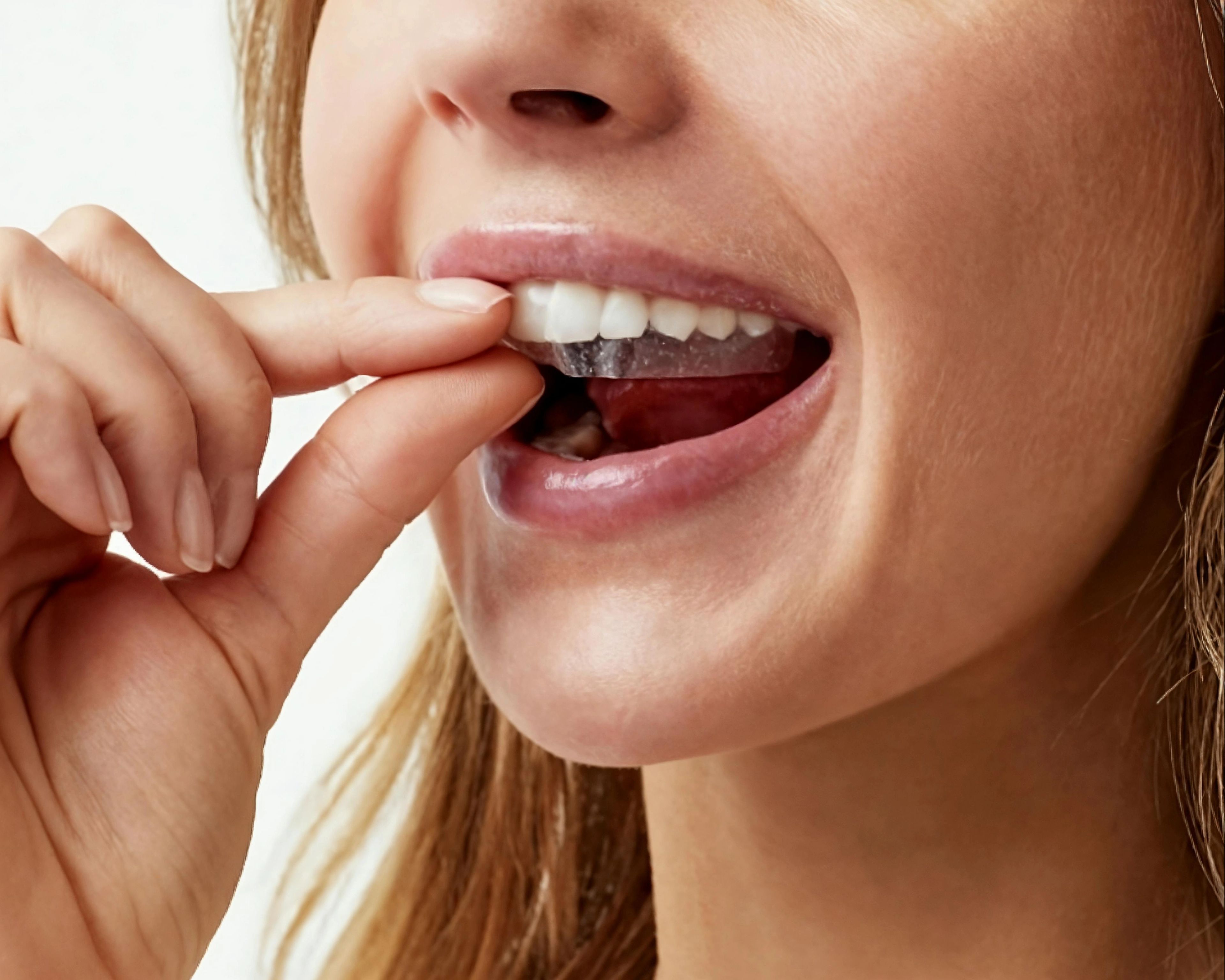
What are oral probiotics?
Probiotics are live microorganisms, mainly bacteria, that offer health benefits when taken in adequate amounts. They are best known for supporting gut flora, but they can also benefit the mouth, where they are used as oral probiotics.
A probiotic is not just any bacterium. It is a strain chosen specifically for its health-promoting properties. Probiotic bacteria, which often include lactic acid bacteria, can help to suppress the growth of harmful bacteria that cause plaque and gum problems. They do this by producing substances that create an unfavourable environment for those bacteria, which can reduce the build-up of plaque.
Plaque is a sticky film of bacteria that forms on your teeth and can lead to cavities and gum disease. Using probiotics regularly, for example as lozenges or in a mouthwash, can help to reduce plaque. This is especially useful because plaque tends to collect in places a toothbrush struggles to reach. Dental floss still has a job to do here: it physically cleans the spaces between your teeth and stops harmful bacteria settling in.
Lactic acid bacteria, one group of probiotics, are known for creating an acidic environment that many harmful bacteria dislike. These beneficial bacteria support your mouth flora and your immune system. Vitamin C also matters for oral health, as it supports the repair and regeneration of your gums and strengthens the body's defences. Getting enough vitamin C may therefore complement the effects of probiotics.
Can probiotics help prevent tooth and gum disease?
Probiotic bacteria such as Lactobacillus and Streptococcus salivarius can help to maintain the balance of your mouth flora and keep harmful bacteria in check. They act against pathogens that can cause gingivitis, periodontitis and tooth decay. A healthy balance in your mouth can also help prevent halitosis, better known as bad breath.
Probiotics and cavity prevention
Tooth decay begins when harmful bacteria such as Streptococcus mutans turn sugar into acid, which attacks your enamel. Probiotic bacteria may slow this process by making it harder for harmful bacteria to settle and multiply.
How can you add probiotics to your oral care routine?
There are several ways to support your mouth flora with probiotics:
- Lozenges: easy to use, and you can take them after brushing or at any time of day.
- Mouthwashes: they reach tricky spots such as the spaces between your teeth and help keep your whole mouth healthy.
- Probiotic dental care products: some toothpastes and flosses are enriched with probiotics to support a healthy mouth flora.
Your diet can help too. Foods such as yoghurt, kefir and other fermented products contain natural probiotics.
Probiotics and your overall health
A healthy mouth flora is essential for good oral health, and it also plays a part in your general well-being. The mouth is an entry point for many microorganisms and so a key place for defence against pathogens. A balanced mouth flora rich in beneficial bacteria helps to keep harmful microbes at bay and supports the body's natural defences.
Inflammation in the mouth, as seen with gum disease, can be associated with a higher risk of cardiovascular disease. The theory is that inflammation in the mouth can trigger inflammatory reactions throughout the body that affect the blood vessels. Bacteria from the mouth can also enter the bloodstream and cause inflammation elsewhere, including the heart.
Beyond cardiovascular disease, there is also evidence that a healthy mouth flora may lower the risk of other systemic conditions such as diabetes, rheumatoid arthritis and some respiratory diseases. Good oral hygiene and, where appropriate, probiotics can therefore be a simple but powerful way to support your overall health.
Professional teeth cleaning and your mouth flora
Professional teeth cleaning is an important part of good dental care. It removes plaque you may not be able to reach at home and helps keep your teeth and gums in top condition.
At your dentist or dental hygienist, a scale and polish removes even stubborn deposits that daily home care often cannot shift completely. Left in place, they can lead to inflamed gums and cavities, so regular check-ups are the best way to keep your gums healthy. Ask your dental professional how often you should come in.
Between appointments, a good home routine keeps the results going. The Alpine White Sonic Toothbrush and Whitening Toothpaste Extra White help you remove plaque and surface stains gently every day, so your smile stays clean and bright.
Final thoughts
Adding probiotics to your daily oral care routine can make a real difference. They help maintain a healthy mouth flora, protect against tooth and gum problems and may even benefit your general health. They are a simple, natural way to keep your smile bright and your gums healthy.
Oral probiotics are not just a trend. They are one part of a wider strategy for lifelong oral health. If you have bleeding gums, pain or persistent bad breath, see your dentist.


 Teeth Whitening