What causes toothache after dental hygiene?
Sensitive teeth and gums
After a scale and polish or very thorough brushing at home, your teeth and gums can feel more sensitive. The reason is often that plaque and tartar have been removed, which can briefly leave sensitive teeth or exposed tooth necks.
A reaction to the treatment
Sometimes the gums react to the instruments used during professional teeth cleaning. This can cause short-term soreness and gum inflammation.
Existing oral health problems
Existing problems such as tooth decay, periodontitis or gum pockets can be irritated by the cleaning and cause pain.
How can you relieve toothache after a dental clean?
Gentle oral hygiene
A gentle oral hygiene routine is the best way to ease discomfort. Choose a soft toothbrush that is kind to your gums and enamel, as a hard brush can irritate the gums and make existing pain worse. Do not press too hard when brushing. Soft, circular movements remove plaque without straining the gums. Our Sonic Toothbrush is a good fit here.
It also helps to use a toothpaste for sensitive teeth. These toothpastes contain ingredients that help to reduce sensitivity and strengthen enamel, and over time they can form a protective layer over sensitive areas. For everyday brushing, Alpine White Whitening Toothpaste Extra White cleans gently while you wait for your teeth to settle.
Mouthwash
A mouthwash made for sensitive teeth is a useful addition to your daily routine. Many contain fluoride, which helps to strengthen enamel and reduce sensitivity. Some also have antiseptic properties that help to calm inflammation in the mouth.
Avoid very hot and very cold food
Hot and cold food and drink can trigger sharp pain in sensitive teeth. Until the sensitivity subsides, stick to food and drinks at a moderate temperature to avoid further irritation.
Home remedies
A warm salt-water rinse is a popular home remedy. Mix a teaspoon of salt into a glass of warm water and rinse several times a day. Salt water acts as a mild natural disinfectant and can help to reduce inflammation and ease pain.
You can also hold a cold compress against the outside of your cheek, near the sore tooth. This can help to reduce swelling and ease the pain.
How can you prevent toothache after dental hygiene?
Regular visits to your dentist or dental hygienist
Regular check-ups are key to lasting dental health. They allow your dentist or dental hygienist to spot early signs of problems such as tooth decay or gum disease and treat them in good time. This prevention helps you avoid serious problems and pain. A thorough but gentle professional clean protects your teeth and gums.
Good dental care at home
Effective daily oral hygiene is the foundation of healthy teeth and a bright smile. Use the right brushing technique and dental floss to remove plaque and food debris from between your teeth. This is where Alpine White products come in: our Whitening Toothpaste Extra White is designed to clean your teeth gently and effectively without harming the enamel, and its fluoride helps to strengthen enamel and prevent tooth decay.
Avoid aggressive dental care products
Not all dental care products are equal. Some can be too harsh, especially if you are prone to sensitive teeth, so choose products that are gentle on your gums and enamel. Alpine White dental care products are free from harmful peroxides and unnecessary additives, so they clean and whiten effectively without damaging your teeth.
What happens during a professional dental clean?
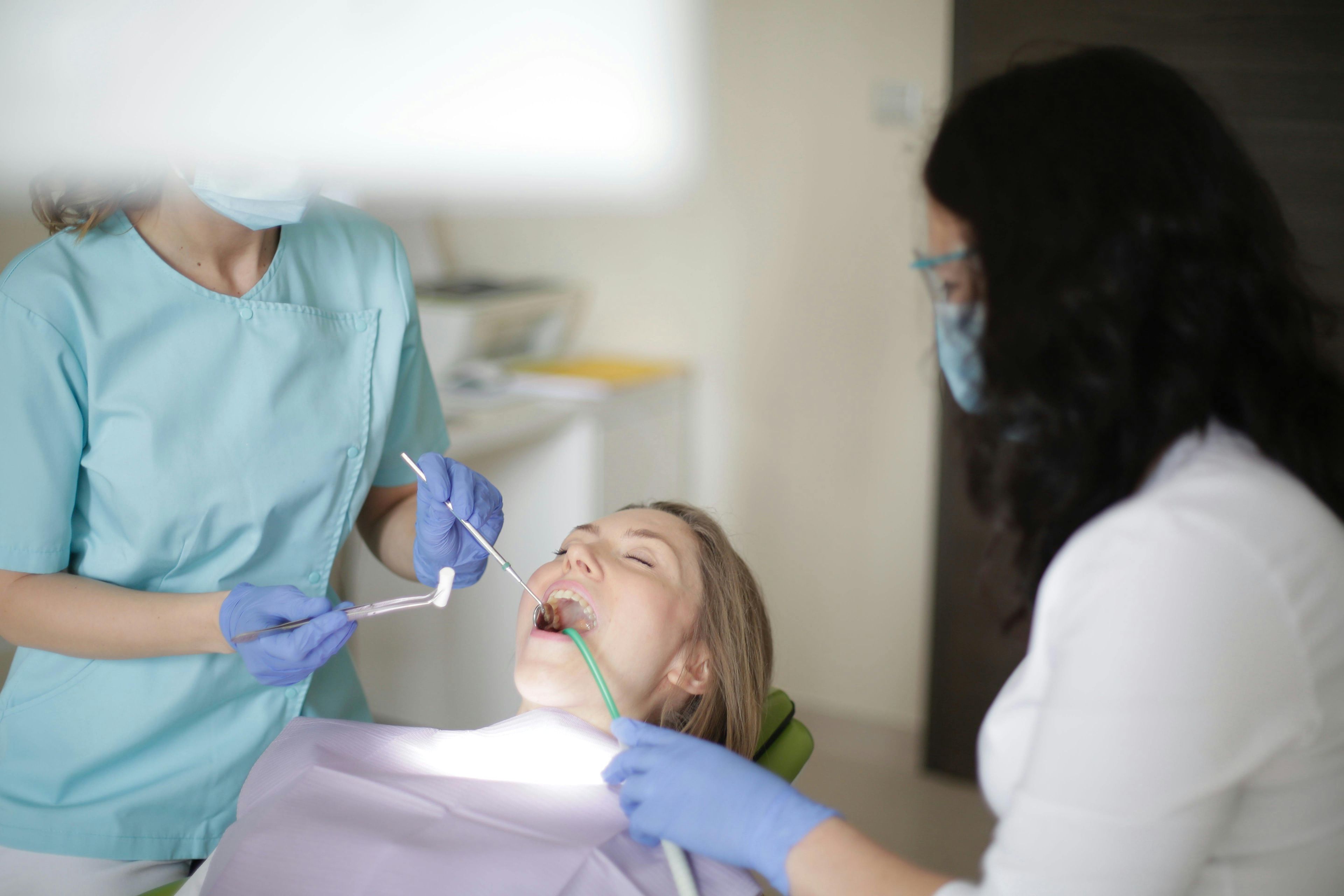
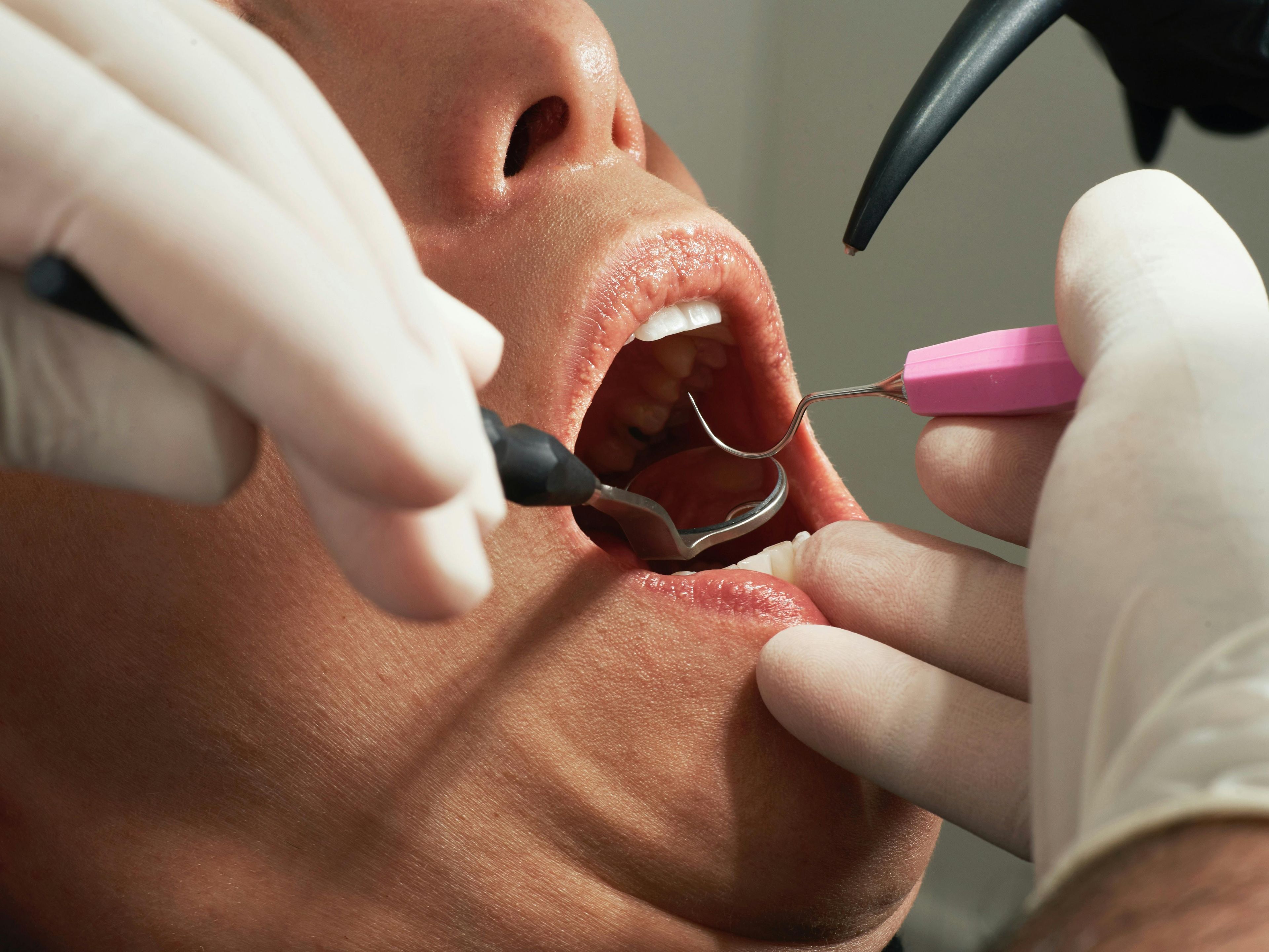
A good dental hygiene appointment starts with a careful assessment of your oral health by a dental hygienist, followed by a cleaning plan tailored to you. Many practices use AIRFLOW to remove microbial plaque gently, together with ultrasonic scaling to remove tartar and stubborn stains without discomfort. Afterwards your teeth are polished and, if you wish, a fluoride varnish can be applied to slow the build-up of plaque and tooth decay.
Modern professional cleaning is non-invasive and does not involve drilling. If you are nervous about pain, tell your dentist or hygienist beforehand so they can adapt the treatment to you.
Why is regular dental hygiene important?
A professional teeth cleaning by an experienced dental hygienist is especially effective at removing hardened deposits. It is also important to clean between your teeth and along the gum line thoroughly to prevent tooth decay and other dental diseases. If you have sensitive teeth, fillings, implants or dentures, regular dental hygiene matters even more, as it helps these restorations last and prevents tooth loss.
Regular contact with dental professionals also means your personal needs are taken into account. Dental hygiene is therefore important not only for your teeth but for your general well-being, and it deserves a place in your health routine.

 Dental Hygiene